
pold2
Old Members
-
Joined
-
Last visited
-
Thanks, I wish there was a digital version of that book, since I read everything on pc or tabets now...
-
Yes, very helpful, where did you read this by the way?
-
Let's say you are writing three or more voices, or a short chord of 5-6 notes within the measure. Do you write the rests for each voice, or do you omit them? If you look at Bach french suites, he omits the rests often. So, how do you act?
-
We hear always that while the acciaccatura is before the beat, the appoggiatura is on the beat. While the acciaccatura is not accented or stressed, the appoggiatura is always accented. While the acciaccatura has no time value (it is "crushed"), the appoggiatura steals value from the note it modifies. But I often wonder if those appoggiaturas we played so confidently today, are played not the way Mozart intended. If you play them like acciaccaturas (not on the beat) it would make more sense to me, because if we play them like regular semiquavers, then why Mozart didn't write them directly like semiquavers instead of appoggiaturas? What do you think?
-
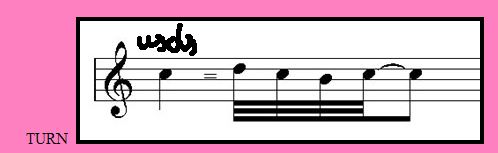
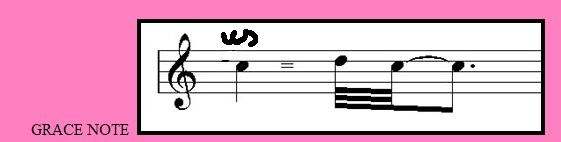
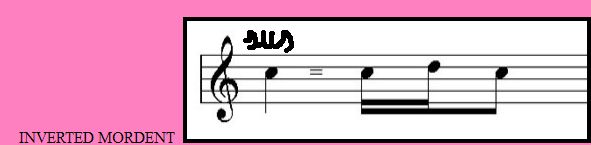
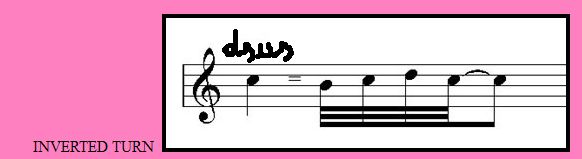
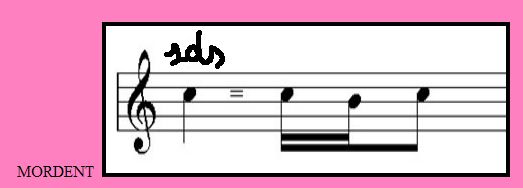
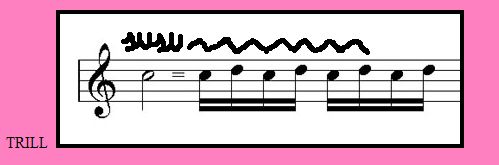
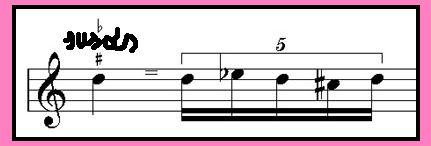
I changed my mind. Symbols or letters? What's more practical? I don't want to change the original scores, and when the ornaments are open to interpretation, that's also a good thing. On the other hand I am interested on what would everybody would like to read if they had to create a way to write ornaments today from scratch. Language is still a problem, that's true, we are still too territorial, and maybe symbols would be more accepted. So, for example, instead of three letters (s, d, u), we could use three symbols, an up arrow, a down arrow, and an "=" to indicate the principal note? Would it be a good idea? But I am starting to think that it's not that useful, basically I am just reinventing the wheel...
-
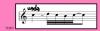
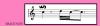
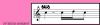
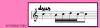
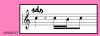
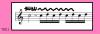
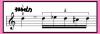
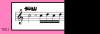
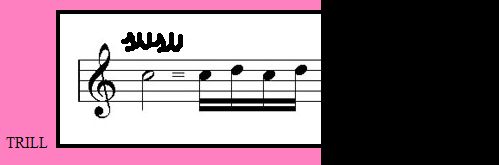
This is my idea, but if you have better and more practical ideas just share them. My idea would be to simplify how to write the embellishment, mostly we are all confused often on how the composer wanted us to play. Do we start the trill from the same principal note, above or below, sharp or flat? But why don't we make things more simple? Mostly when we play these ornaments we have only three note: the same principal, the one above, the one below. So, instead of writing symbols why don't we write letters. We just need three letters, s-u-d, and we just combine them. s=same note, u=upper note, d=down. The speed of execution is done simply according to taste, but that's going to be always natural and obvious, the duration of the trill can be prolongued with the usual zig zag sign, and the sharp or flat are just indicated like we do always in a turn symbol. Here are my example pics, let me know what you think, it would be very useful to unite for this.