Search the Community
Showing results for tags 'claudio huang'.
-
instruments: Shakuhachi: Japanese bamboo flute Nokhan: a kind of Japanse high pitch flute like Piccolo Shamisen: a kind of plucked string instrument with 3 strings Koto: Japanese version of Chinese Guzeng as I don't know how to notate Japanese traditional music, there is no score here all in all, hope you like it! the video: 【日本民乐】作品8之1 无标题_哔哩哔哩_bilibili
- 2 replies
-
- 1
-

-
- japanese style
- koto
- (and 3 more)
-
I just wrote two soft piano pieces, hope you like it! the video (portrait) Op.2 Nr.1: 作品2之1 岁月静好_哔哩哔哩_bilibili Op.2 Nr.3: 作品2之3 韶华易逝_哔哩哔哩_bilibili
-
 this is my new piece, hope you like it, if you like, you can give me some suggestions. the video: 【微分音钢琴】作品7之1 无标题_哔哩哔哩_bilibili
 -
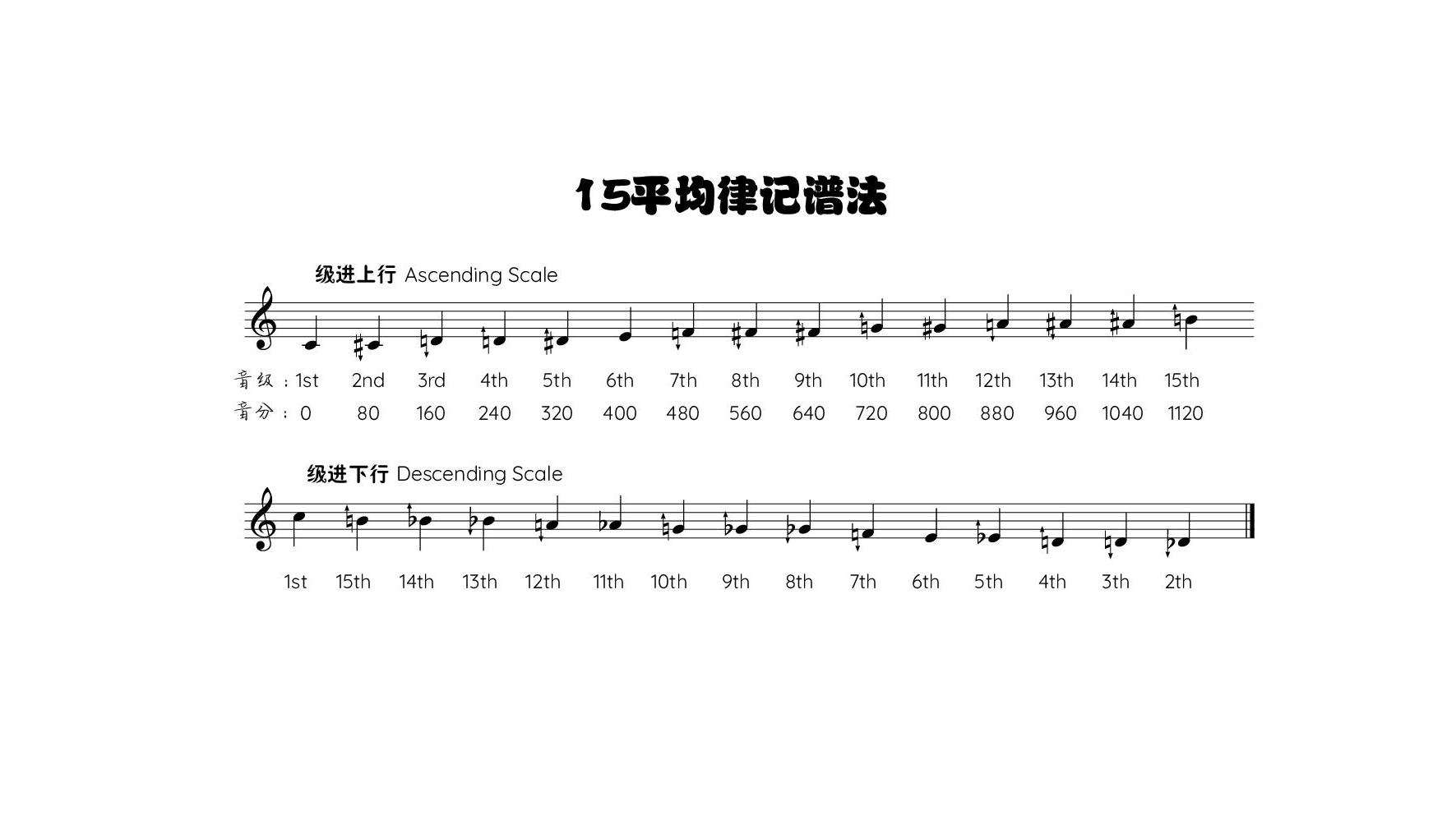
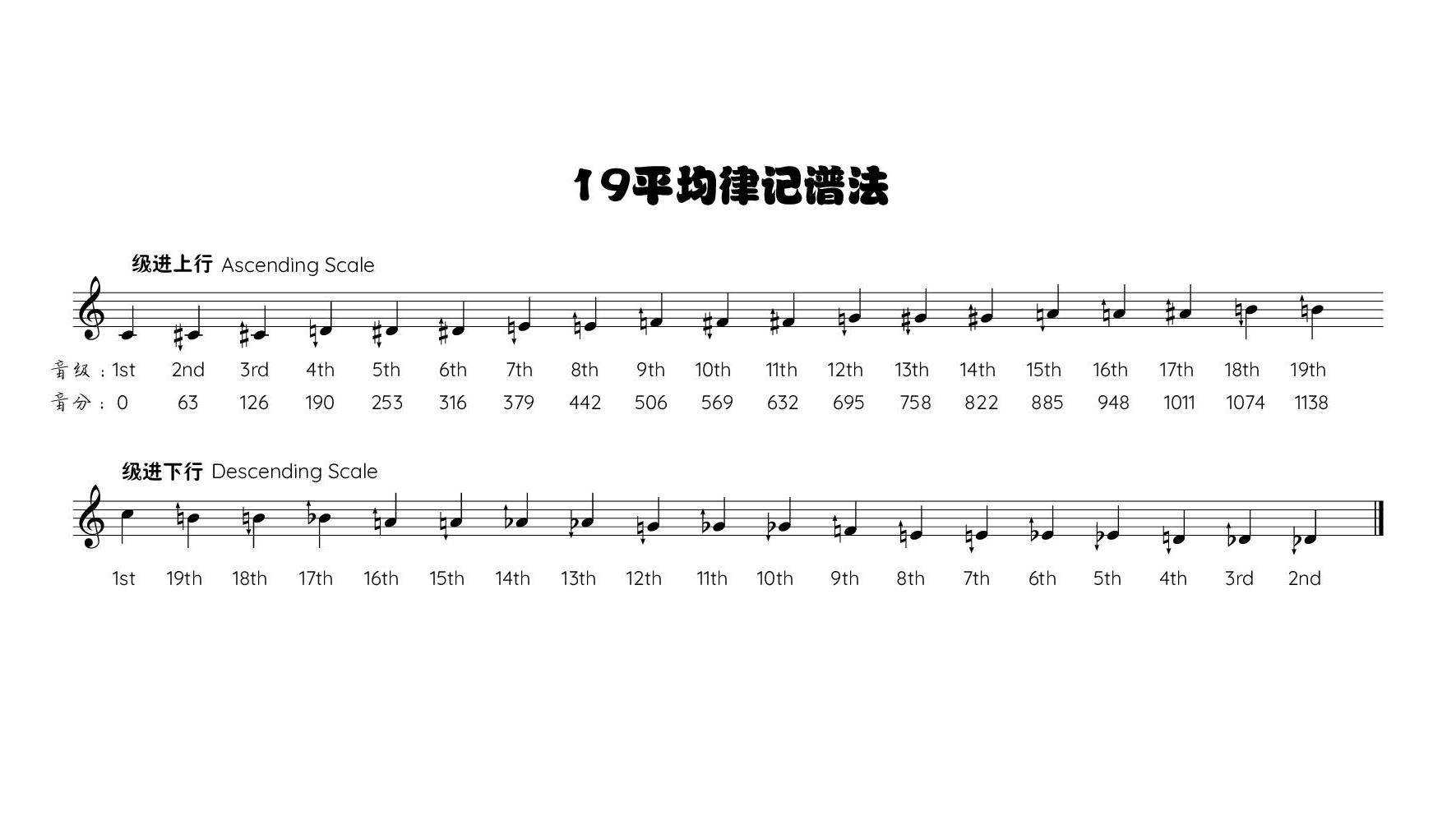
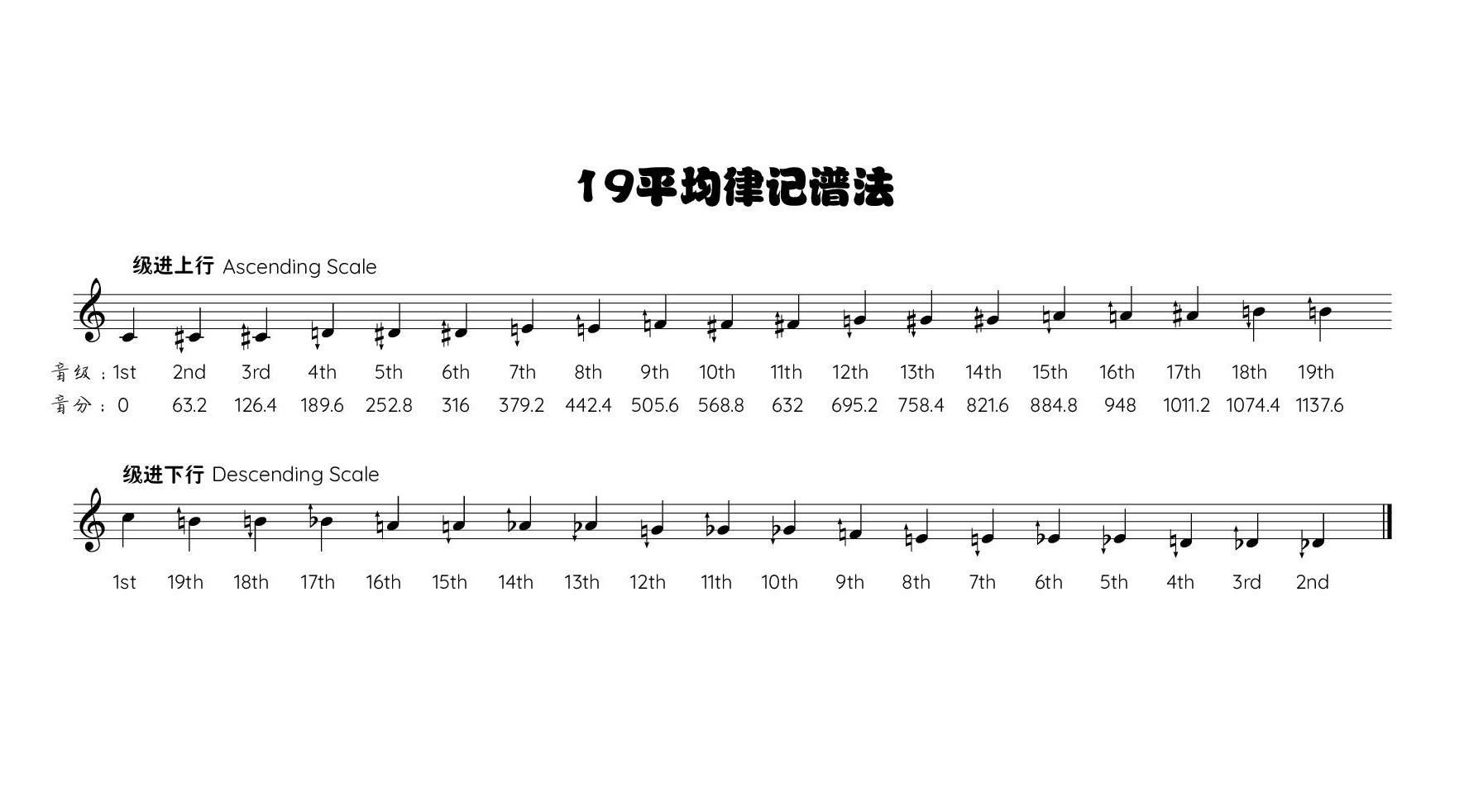
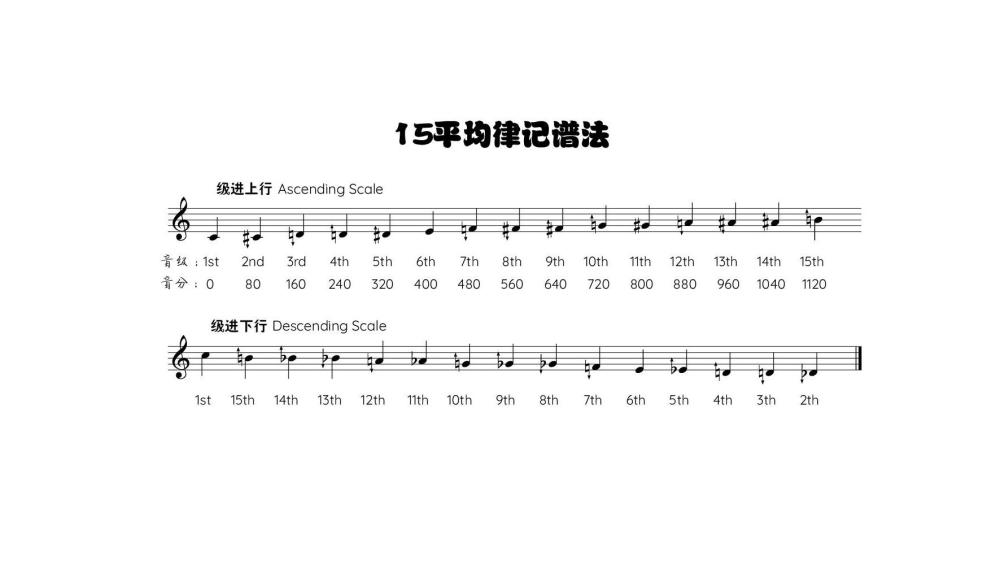
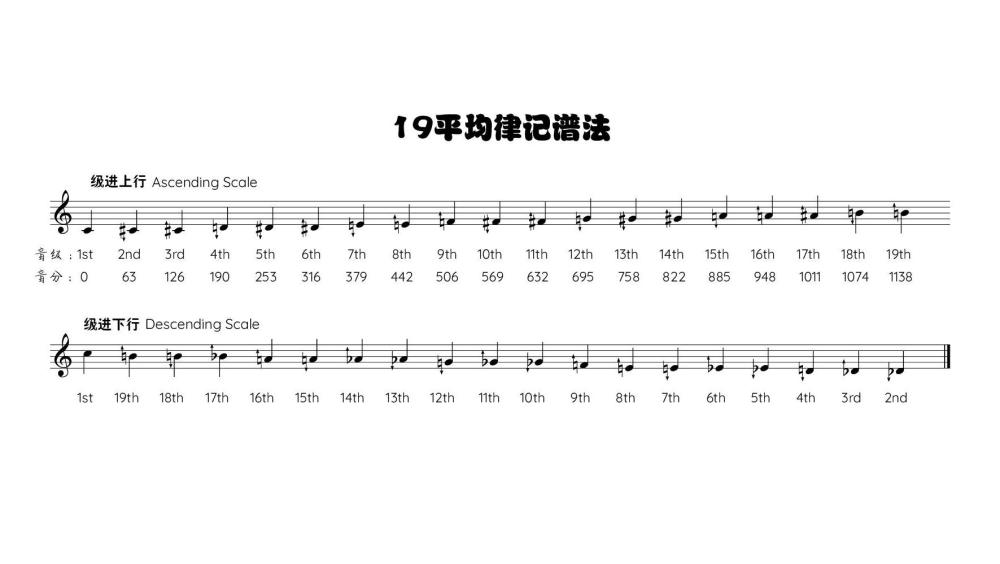
the video: 【微分音钢琴】存在与荒诞:将15平均律、19平均律和24平均律混在一起能达到怎样的效果?_哔哩哔哩_bilibili this is my new piece aiming at mixing notes in 15TET, 19TET and 24TET into a solo piano in my score, notes with accidental in baby blue are those in 15TET system, in purplish red are those in 19TET system hope you like it and give me some suggestions if you like!
- 2 replies
-
- 2
-

-
- microsound
- indie music
- (and 4 more)
-
Op.6 Nr.2 my second microtonal collage piece
cloud10000 posted a topic in Piano Music, Solo Keyboard
this is my new piece, hope you like it! the video: 【拼贴微分音】作品6之2 大杂烩_哔哩哔哩_bilibili- 1 reply
-
- 1
-
-
- claudio huang
- original
- (and 4 more)
-
Hello everyone, I am back, this is my new piece in microtonal collage music, hope you like it! the video: 【拼贴微分音】作品6之1 土耳其烤肉进行曲_哔哩哔哩_bilibili
-
this is an album includes 8 microtonal piano pieces I composed previously, sound effects have been adjusted to be more pleasant to the ear, hope you like it! the video: 【微分音专辑】作品5 八首微分音钢琴音乐的开山之作_哔哩哔哩_bilibili
- 1 reply
-
- 3
-
-
- microtonal
- experimental
- (and 4 more)
-
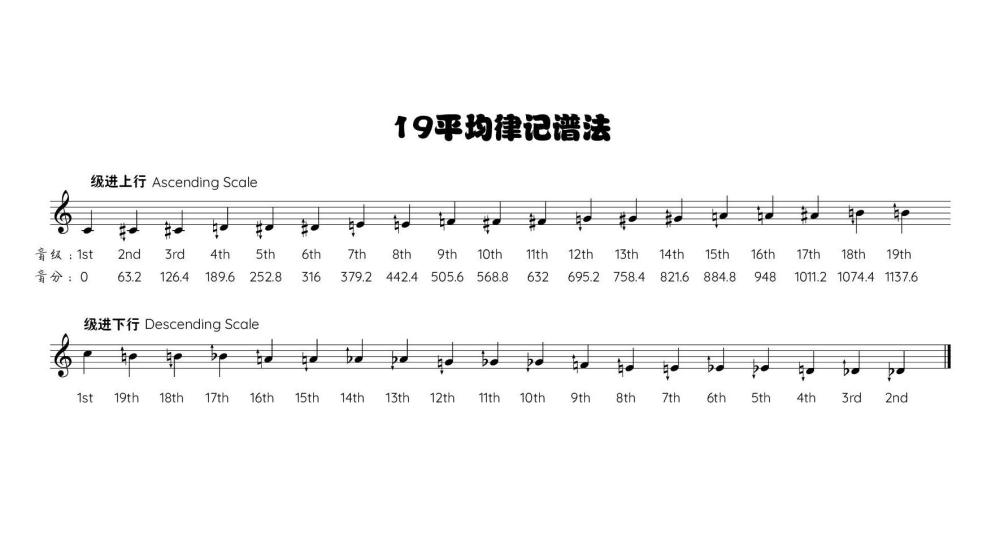
my new microtonal piano piece, adpoted 19 tone equal temperament and normal piano, which intertwined with each other. the video: 【微分音钢琴】作品5之8 变奏曲_哔哩哔哩_bilibili
-
hello everyone, this is my new piece, hope you like it! the video: 【微分音钢琴】作品5之7 无标题_哔哩哔哩_bilibili
- 3 replies
-
- 2
-
-
- sonata
- microtonal
- (and 5 more)
-
this is my new piece, an arrangement of a Christian psalm, hope you like it! the video: 【黄越青】钢琴独奏作品:主题和四个变奏_哔哩哔哩_bilibili
-
I just arranged a religious theme into a series of piano variations, hope you like it! the video: 【黄越青】昔日所唱诗歌(钢琴变奏曲)_哔哩哔哩_bilibili
-
hello everyone, this is my new piece combined classical and modern together, piano music is the leading role, it mixed with concrete music as well, hope you like it! the video: 【微分音钢琴】作品5之6 无标题_哔哩哔哩_bilibili
- 2 replies
-
- 1
-
-
- post modern music
- concrete music
- (and 6 more)
-
this is my new piece, a hybrid of microtonal piano, concrete music and noise, hope you like it!
- 2 replies
-
- 1
-
-
- original
- claudio huang
- (and 4 more)
-
hello everyone, I am back, this is my new piece, hope you like it! the video: 【微分音钢琴】作品5之4 无标题_哔哩哔哩_bilibili Op5 Nr4.mp3
-
this is my new piece, hope everone's commentation the video: 【微分音钢琴】作品5之3 无标题_哔哩哔哩_bilibili Op5 Nr3.mp3
-
hello everyone, I am back, this is my new piece, hope you like it! the video: 【终极完美版】作品5之2 微分音钢琴音乐的开山之作_哔哩哔哩_bilibili
- 2 replies
-
- 1
-
-
- experimental
- avant-garde
- (and 6 more)
-
Hello everyone, I am back, this is my new piece, hope you like it. the video: 【微分音钢琴】作品5之1 无标题_哔哩哔哩_bilibili
- 1 reply
-
- 1
-
-
- avant-garde
- microtonal
- (and 5 more)
-
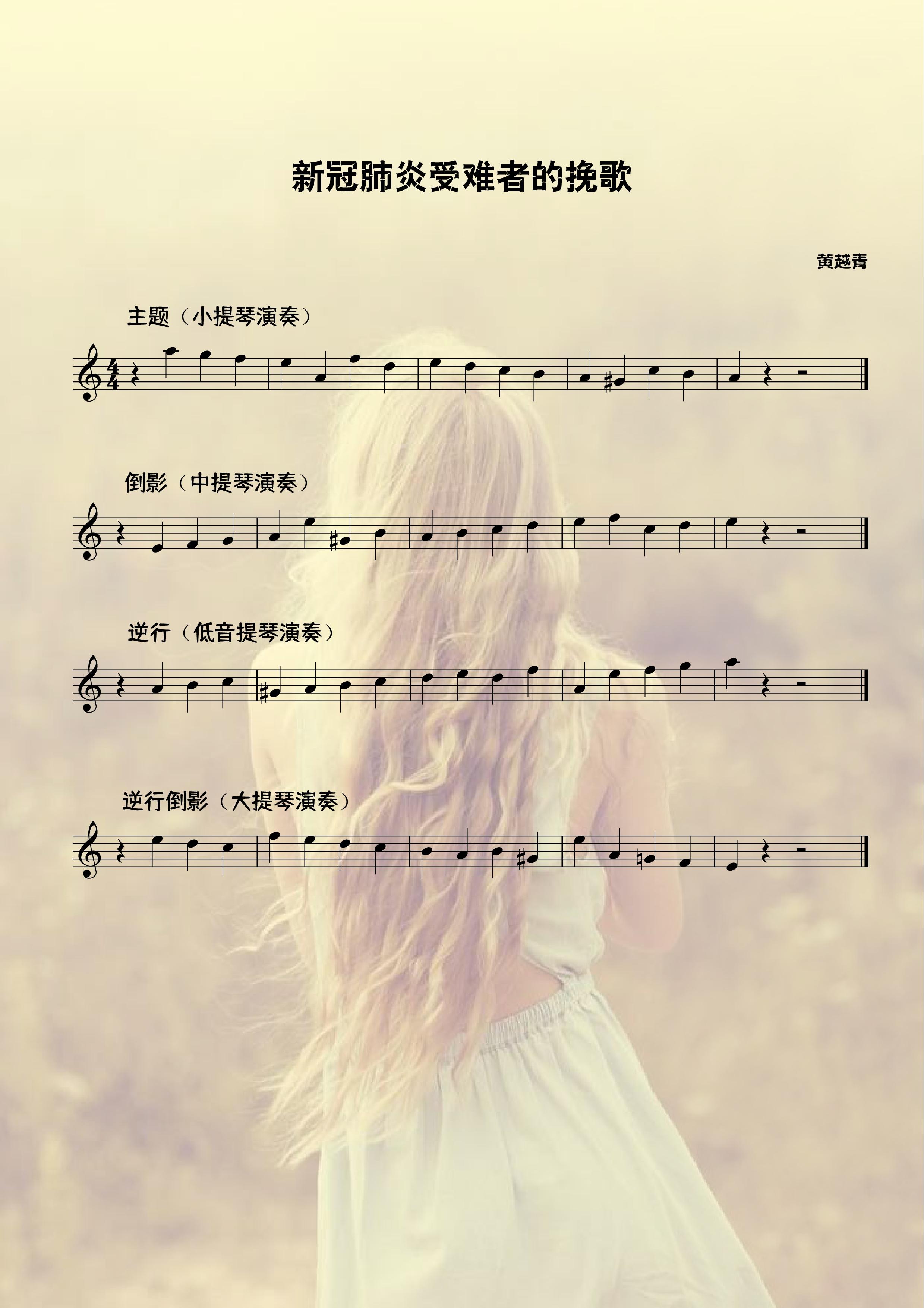
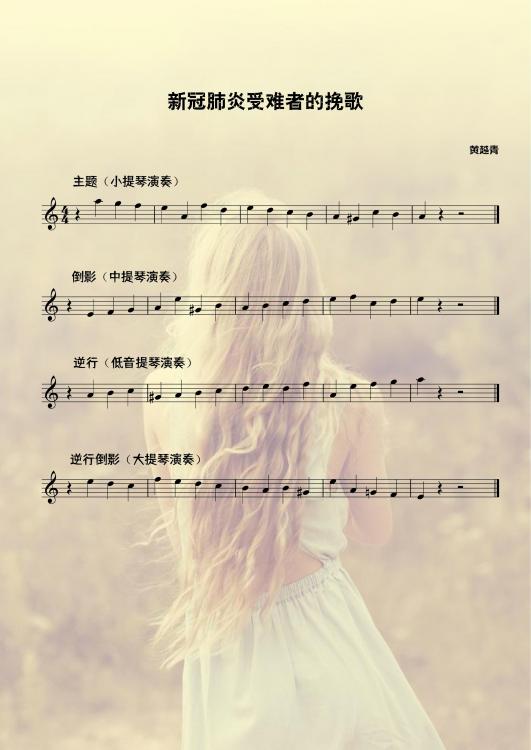
The video: 作品4之6 新冠肺炎受难者的挽歌_哔哩哔哩_bilibili This is a piece of quasi-serial music. The theme is a sequence composed of 16 quarter notes and marked with serial numbers such as 1,2,3,4,5,...,15,16. When it is performed by violin I for the first time, it only plays the first note; second time it plays the first and second notes; third time plays the first, second and third notes..... it deals rather freely with the rhythm. Violin II performs the theme with double duration of violin I's notes, starts from the first one, adds one additional note every new turn. Viola performs the inverted theme. Compared with violin II, it also doubled the duation. Start from the first note, adds one additional note every new turn. Cello performs the inverted retrograde theme. Compared with viola, it also doubled the duation. From the first note, adds one additional note every new turn. Contrabass plays the retrograde theme with double duation once more. (As the duation of the note has already been enlarged to infinity, what you hear are exclusively long notes). Start from the first note and add one additional note every new turn. When violin I played the theme for 16 times, the whole theme had been demonstrated. In spite of the fact that other voices showed only a part of the theme, some of them stopped and entered the Coda. Following violin I, Violin II plays the theme again with double duation. Then Viola played it once more with another double duation. The music finished with long notes of 8 bars when the theme had been showed completely on viola. Of course, there are three filling voices beside the theme, inverted theme, retrograde theme and inverted retrograde theme to keep music full and pleasant to the ear. From time to time you can also find the strikes of timpani and campana. It is to express the grief to the dead. Hope everyone feel the ingenuity of this music and have a sympathy for the feeling I intended to convey.
-
This is a piece of chance music for any combination of instruments. The basic elements of it are 38 phrases vary from 1 to 10 bars. They can be combined vertically and horizontally at random. Everyone of them can be arranged into any octave position on the score. So, the performer must be careful to accord with other performers to secure the coordination of the music. This piece doesn't have a ready-made full score. The specific form of it depends on the improvisations of the performers on basic elements, and therefore each new performance can be counted as a new piece. The audio demonstrated 3 combinations, while the actual combinations are far from these. Isn't it an insteresting thing that performer can use his imagination to create infectious music and take part in the composing process? This kind of avant-garde technique absoultely get rid of the tradition that the performer had been imprisoned by score. It is a fresh new way to organize music. It is not only chance music, but also minimalism. chance music+minimialism=impromptu minimalism. Hope you like it! The video: 作品4之5 重复的艺术_哔哩哔哩_bilibili
- 1 reply
-
- 1
-
-
- chance music
- original
- (and 4 more)
-
hello everyone, I am back, this is my new piece, hope you like it! the video: 作品4之4 重复的艺术_哔哩哔哩 (゜-゜)つロ 干杯~-bilibili
-
- 1
-
-
- minimalism
- repetition
- (and 4 more)
-
this is my third endeavor exploring into the minimal music, please comment and tell me your feeling of listening to it the video: https://www.bilibili.com/video/BV1A64y1U7tv/ the admistrator told me to comment on other people's pieces, if I am free, I will do it!
-
this is my second endeavor in exploring into the minimalistic music, hope you like it! the video: https://www.bilibili.com/video/BV1M5411A76s/
- 2 replies
-
- 1
-
-
- minimalism
- repetition
- (and 4 more)
-
this is my new piece in minimal style, hope you like it, you can give me some suggestion if you like. the video: https://www.bilibili.com/video/BV1Zv411h7ZN/
- 1 reply
-
- 1
-
-
- minimalism
- avant-garde
- (and 3 more)
-
this is my second endeavor in exploring into the Japanese traditional style, hope you like it the video: https://www.bilibili.com/video/BV1zX4y157wX/
-
hello everyone, I am back, this is my new piece in Japanese traditional style, hope you like it. instrument: koto & piano koto is a kind of picking string instrument the video: https://www.bilibili.com/video/BV1rA411s71K/
- 2 replies
-
- 3
-
-
- japanese style
- koto&piano
- (and 6 more)