All Activity
- Past hour
-
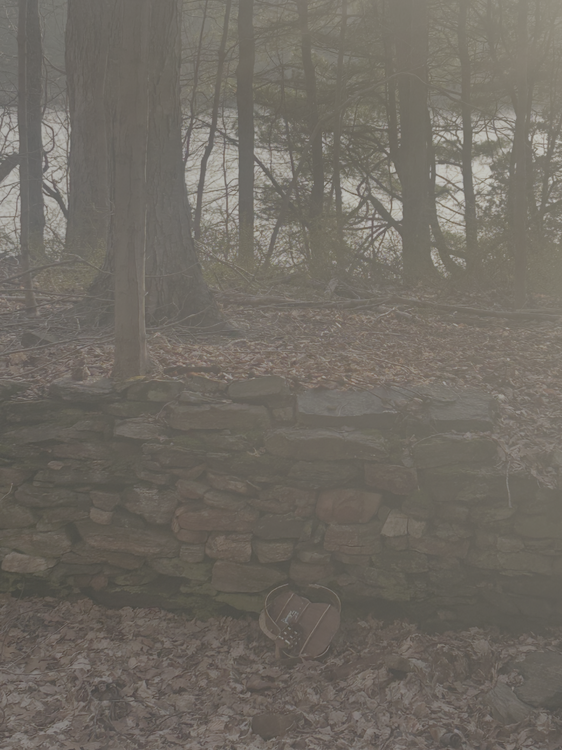
Hello, I will do the overall judging of your piece. First, let me talk about the program notes and also your stunning picture out of curiosity though have you took this to yourself? Anyways, you give a very interesting concept so I’ll see how that ties in with the music and you’re very descriptive. I like to say at first that I enjoy the use of the artificial harmonics This gives a very alien in what I like to call crystalline atmosphere. Almost glassy in a weird good way. I also enjoy the dynamic use as well. As for the change structures, this is the only thing you really listening for so nothing is really a pallet cleanser however, though this is a five minute piece so there’s no need for one. Melodic material : 3.5 Harmony and texture: 8.3 Structure and development 3 Original creativity 7.56 Score presentation 9.79 Orchestration 8.9 Execution 9.04 Taste:7.9 This average is out to a 7.25
-
Nobodies reviews are more "official" than anyone else's and you're free to review whichever entries you want and in any manner you see fit (you can use the official competition reviewing template or review them any way you want or use your own template). The winners will be decided by popular voting polls.
- Today
-
- Yesterday
-
Presenting "A Grand Meal in Tartarus." The lyrics are mine and taken, once again, from my novel.
-
Hallo @HarryWood ! First of all, a warm welcome here at the YoungComposers Forum! Here are you among numerous music enthusiasts of a huge variety concerning their styles, compositional approaches and skills, so that I think, you’ll get the desired feedback. I was curious about what to expect about the style of your music, since you’ve called you a „new neo classical“ piano composer. The term „classical“ reminds me first to Beethoven or Mozart and „neo“ means for me to integrate more contemporary harmony and tonality. After listening to your pieces, they remind me more of Beethoven’s „Für Elise“, Richard Clayderman’s „Ballade Pour Adeline“ or „Comptine d'un autre ete – l'apres-midi“ from the French movie „Amelie“. Although all that pieces are very popular, that kind of genre is – as mentioned already by @Luis Hernández – somewhat too soft and non-exciting for me, too. Please don’t misunderstand that as a criticism on your person or your achievements in piano playing for about one year. The pieces sound good and have a calm mood, but putting some more ingredients in them would make them more unique: Whenever I think about what a good piece requires, the following things come to my mind: • First, a piece needs an idea how it could sound like, what mood it should have or which other pieces could be used as an inspiration (I think, that „ingredient“ you have already achieved with your pieces). • What a piece makes unique or captivating is a clever idea, creating a „unique selling point“, bringing some surprise to the listener. That is the „spice“ of the unexpected, for example a distinct harmony progression, an unexpected tonality or dissonances or a rhythmic surprise such as an unconventional meter (so I could imagine for your pieces a kind of Jazz harmony or somewhat more dissonant harmonies). • Another important thing is to think about the form of the piece. While this is a more theoretical topic, one sometimes has a good melodic idea (or even a number of), but the question is, how to put them together. So now the reflection comes, what the piece could be structurally, a simple A-B-A form, a rondo, in sonata form, a number of variations about the main theme? • A final question could be: In which context should the piece appear? I could imagine, that it is more satisfying to have an idea or „project“ of multiple pieces to be put together, for example, in a cycle such as „Six preludes“ or something like that. With such a framework in mind, you don’t run the risk of trying to create numerous unrelated pieces and perhaps putting them „unfinished“ away. The incentive „Now have I finished number four of six“ helps yourself to focus and you’ll see, nearly every piece is worth it to be retained. Looking around here at the forum would be a perfect place to get inspiration and don’t hesitate to „review“ other compositions too, even if they are from „more experienced“ composers. Every reply is welcome and receiving the „incentives“ (such as points, badges and finally ranks) does not primarily depend on the quality and quantity of the compositions you shared, but even more from the amount of feedback you’ve given. And, by the way, if you share your scores, too, the reviewers would be able to give more in-depth reply, for example also concerning the „art“ of score engraving. Friendly regards. Wieland
-
Haha, I was just curious whether you would notice that and even ask about! Yes, in fact the composer Thomas Handke is my brother. One could perhaps put the bars 11 and 12 together changing its time signature to 7/4 with a starting quarter rest. But I understand, that you would not like it, since the rhythmic recapitulation of the first bar would be changed with this leading rest. The “overly correct” version might be to write measure 10 twice using “volta brackets,” with version 1 remaining unchanged and version 2 changed to 5/4 with a closing quarter rest, so that the rest would appear at the end of the phrase as intended. However, there is no problem with the single bar in ¼ meter. The only thing which „bothered“ me was that the „whole bar rest“ – while being correctly - looks at the first glance like a „whole note rest“ which obviously does not fit in a bar of ¼. Thus, the simplest solution could be to change that rest to a quarter rest in mm. 11.
-
A beautiful and thoughtful prelude of which the counterpoint and harmonies linger in your ear long after you listen to it!
-
E.A.S. | Electronic Ambient Space ELECTRONIC AMBIENT SPACE.mp3

-
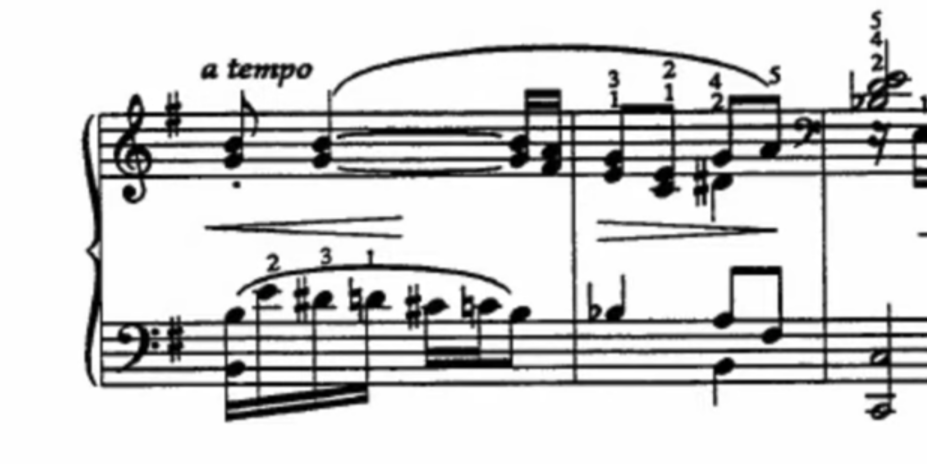
Not a specific note for your piece, but when it comes to orchestrating piano pieces, the gold standard is Ravel. I would highly recommend studying his orchestration of Mussorgsky’s Picture At An Exhibition, along with his orchestration of his pieces like Ma Mere l’Oyle and Le Tombeau de Couperin. I would also give a listen to Brahams Haydn Variations, in both the double piano and orchestral versions. One thing you’ll note about these works, is how they weren’t limited by the notes on the page. As an orchestrator you are not just transferring notes from one instrument to another. You are interpreting the music through your own sound.
-
Thanks Wieland Handke for your review of my piece and your impressions about each sententia often amounting to a detailed review of it. Indeed I also consider the sixth one to be the best realization of the “sententia” form as well as perhaps the best of this set. Regarding the link of the composer Thomas Handke that you mention, I wonder whether he is related to you as he has the same surname. I listened to his “Partita für Fagott solo, op. 33” and enjoyed it. It is also performed well by the performer. Thanks for the link! I have only composed one solo piece for fagott which is the bassoon in English, and consider it an instrument with a voice full of feeling. Regarding the 11th measure of Sententia No. 5 in ¼ and with only a rest, it was done for practicality since otherwise the repeat sign would have to be made in the middle of the bar (in case I changed it to 5/4), a practice which I have the impression is not desirable if not incorrect. Or I would have had to write out a new bar as a separate continuation of the repeat.
-
And here is the first video of the Episode #2 - introductory remarks and the music of the two productions (Jay Bacal's and mine) of the opening theme of John Barry's Out of Africa: Out of Africa - Learning by comparison, Episode #2 (music and introductory remarks) - YouTube
-
A dramatis personae for The Last Marriage:
-
-
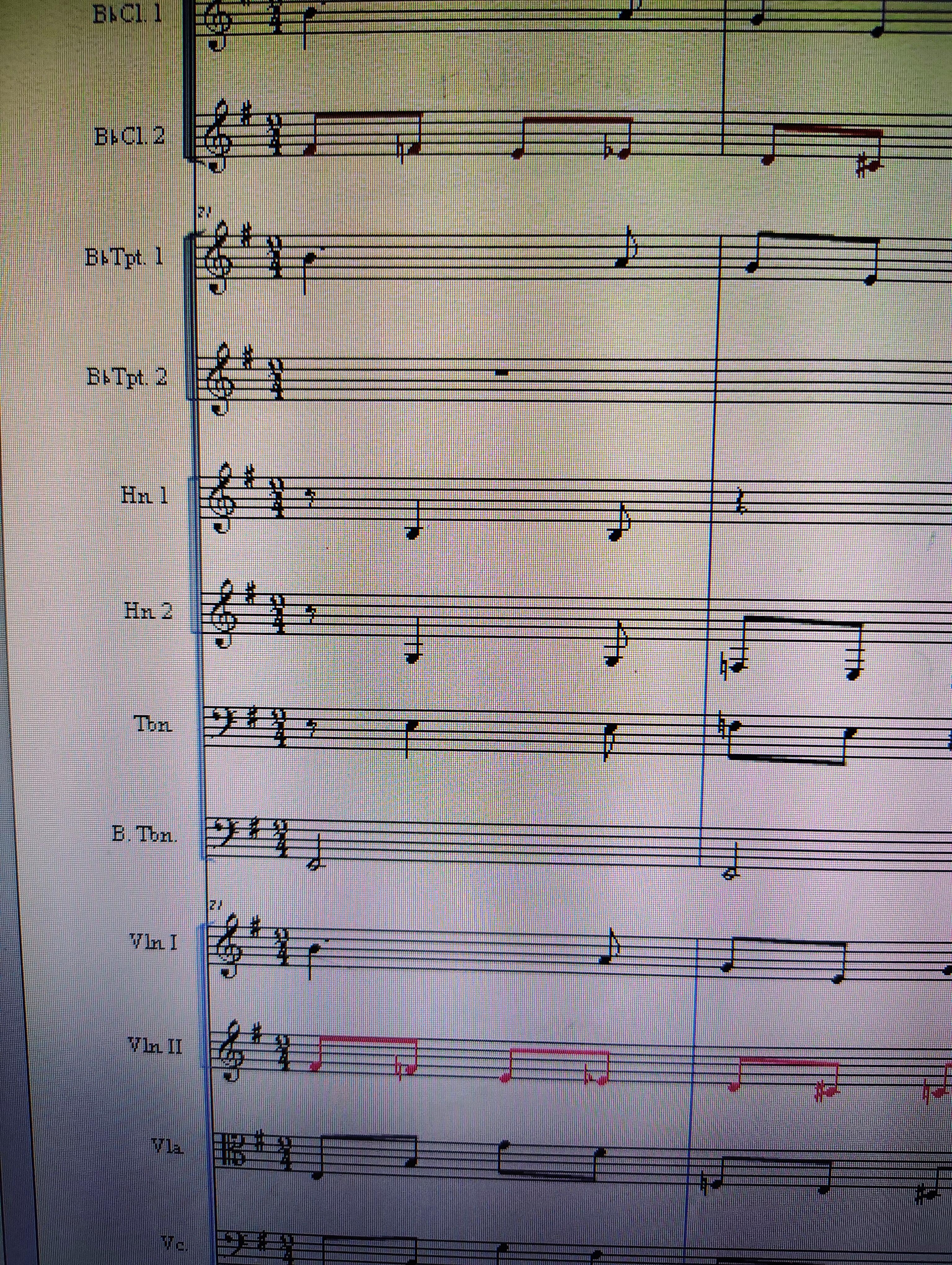
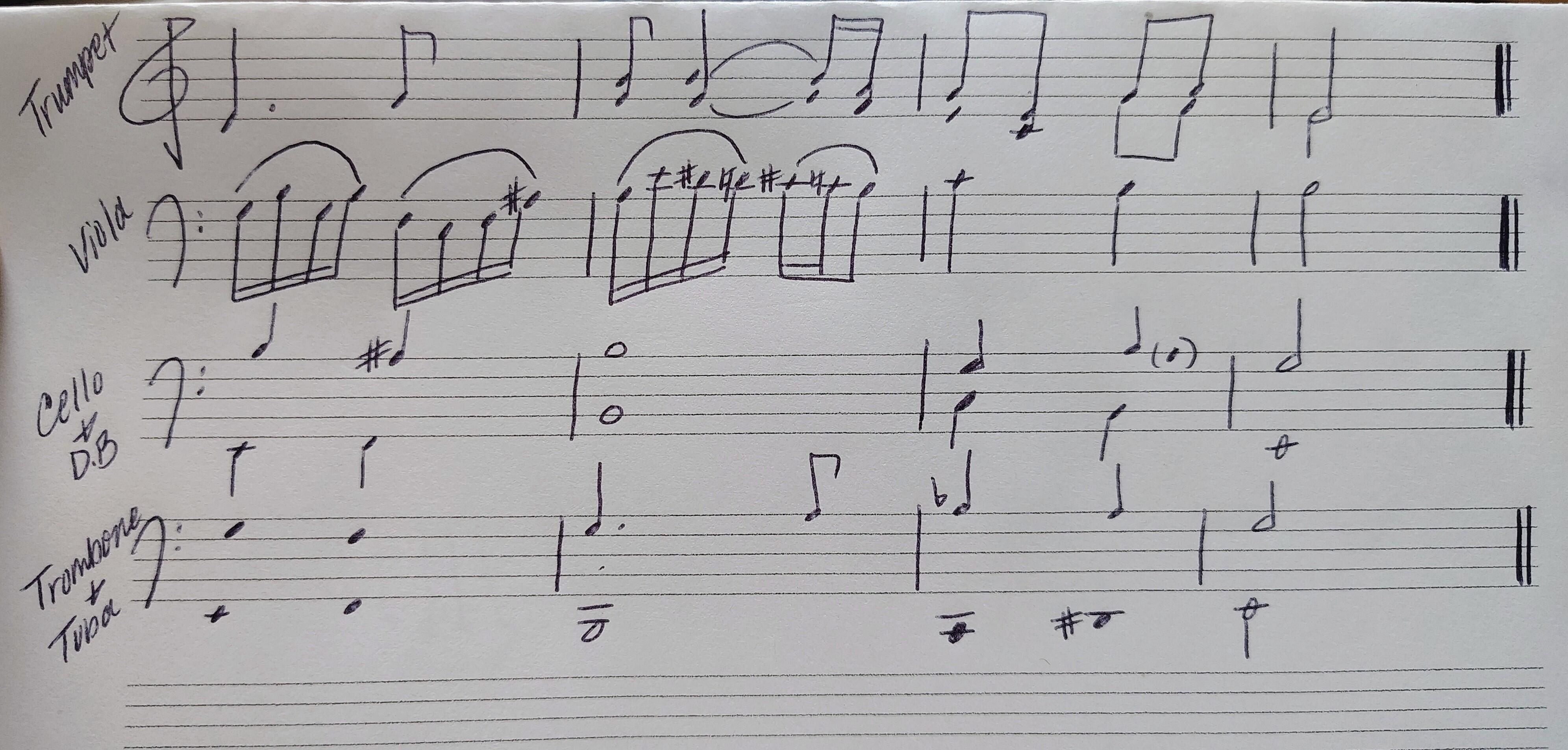
very true...ugh, I'll have to make more revisions lol update.pdf I was sitting down and playing through different sections of the original piano piece earlier, and I thought that using the bass instruments more rhythmically could be really fun...like doing "hits", with the French horn and trombone...just a thought
-
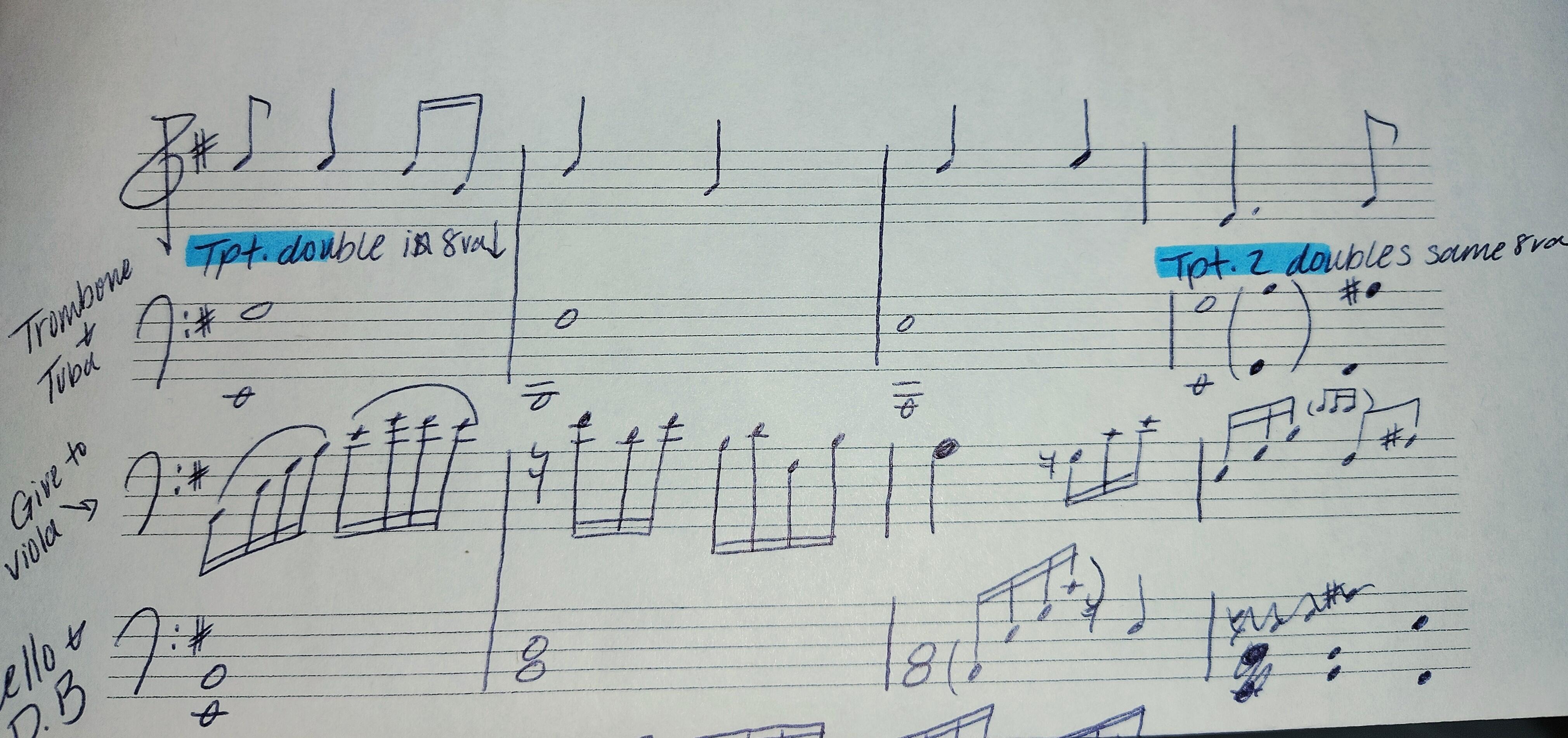
Keep in mind the harmonic series. In both examples you put, even if you sustain the harmony, be careful of the interval spacing. Small intervals in the bass voices have the potential to sound really muddy as the sound waves will fight for dominance. Same thing with the use of bass voices. Be careful of when Price writes them explicitly long in the score versus apart of a moving line. Depending on the pedal info, it may not be correct to include a prolonged voice. This time, I am cautioning against too much use of the same techniques; however, at this point, you should strive for making a rough draft versus detailing it all out. Get your ideas in full-score format and then go back and polish everything you need to before Wednesday.
- Last week
-
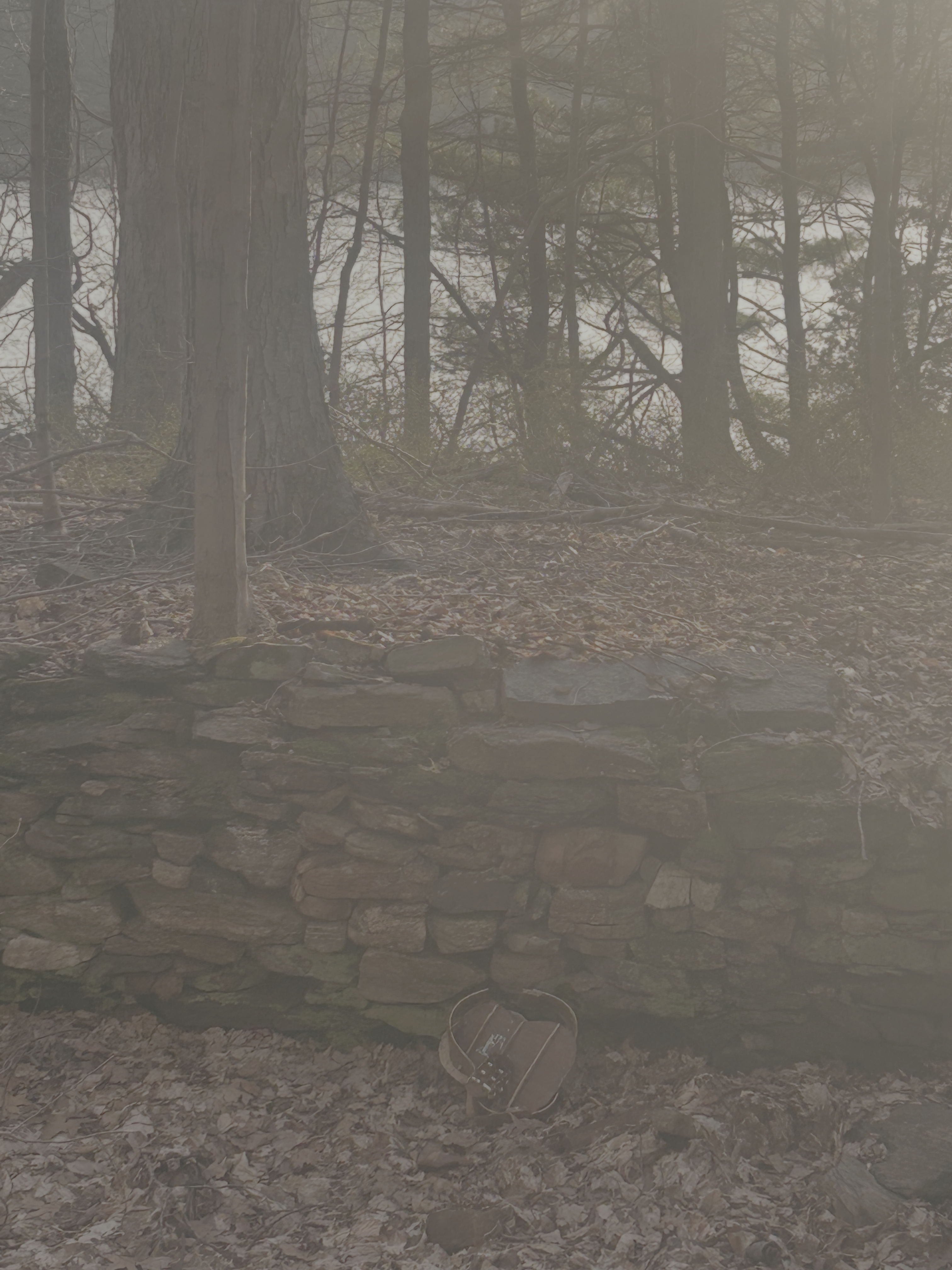
As the thread title says. So far, I have generated 7 suitable pieces using the AI Suno, which I have subscribed to because I am very pleased with the results. All the pieces I've generated so far use my lyrics. The music is inspired by my novel The Last Marriage. More will be posted in due time.Written for the 2026 spring Young composer competition this work for percussion quintet features a wide range of natural and man-made percussion instruments to represent the integration of man and nature. Few years back me, and a few of my friends decided that it would be a good idea to cure our boredom by bringing a already busted up child size guitar meant for learning and to "" sacrifice it into the woods.'' the reservoir is a large body of water near where I live so it was a short distance, which then led to an easy walk into a bunch of colonial ruins where we laid the guitar and watch it rot away. Far deep in the reservoir lays a broken destroyed child size guitar that my sister got for her birthday as a child or something like that it’s been ever since sitting around around in the house and had transfer locations from her room to the living room room to the my room to the wilderness it’s final resting place. My sister never had been fond of performing music in her life. In fact she is quite horrible at it so my parents smartly in intelligently got her a low quality guitar anyways fast-forward a few years later, and I am now experimenting with multi instrumelity. However, though I got fond of extended techniques, playing it like a hammered dulcimer and even bowing the thing after me becoming friends with the lead guitarist to my modern day chamber band sort of situation, he starts to play it and at that point it only had two remaining strings. We all anonymously decided that we should bring it to the reservoir maybe hide a secret note in it after all the band was just a bunch of board teens, wanting something interesting to do with our lives, so what ended up happening was we snuck into the Reservoir found a foundation of an old colonial house and threw the guitar in it other than impact damage ever since the guitar has been rotting away however, though quite often me and my friends still visit it’s resting place only to see it in more final pieces I’m pretty sure I got rid of the note since it had some secrets that I do not want people finding and still to this day. It’s been resting there ever since. Percussion five has a lot of handmade instrument specifically for this work . The alcoholics shekere; is just a bucket with crushed up beer, cans, or soda cans is meant to be played in a similar style to a traditional shekere . the facidrum; faci- Latin for bundle, a bundle of resident sticks attached and tied up to a frame . Chopping block; a semi resonant piece of wood meant to be played like a table and a practice pad All of the other instruments should be self-explanatory Keep note that since because this was written in musescore bunch of playback loopholes has been exploited, although that there are more than five staves these are to represent each instrument in the set up rather than the actual part parts of represented by the groups that are bracketed. This is to create custom percussion set ups, and to satisfy an easier workflow with sound fonts. ' Sacrificed to the wilderness.mp3 Sacrificed to the wilderness.pdf
 I really enjoyed this! I think you capture the "voice" of Schoenberg that he has in most of his orchestral works. I said this in a previous review, but orchestration is really subjective....so here are my suggestions: First piece I think the oboe is suppose to be piano as well (it's not marked in the score). I also think the pickup Trumpet run can be transferred to the clarinet I don't think the 1st trombone needs to double the cello/horn in the 4th bar. In measure 7, unless the orchestra has 5 timpani drums (or an EXTREMELY good player who can quickly adjust tuning) that is going to be difficult In measure 8, that trumpet part looks questionable...that 32nd note might be messy In bars 13-14, probably could combine the cello/bass part to be played by divided cello....helps with thinning out the sound since it's marked p Generally, it's really hard for brass players to play pp or ppp when there is a moving/active part with leaps. I would give the trombone/tuba part to a bass clarinet and/or bassoon near the end. Second piece I would've used bassoons instead of horn in the 2nd measure. They sound more "dry" staccato and will blend with the pizzicato I'm assuming "ord" means Arco? make that clear in the string parts Trombones don't usually read in treble clef. I would change that to a tenor clef in the last measure. Third piece I would just have the tuba play without doubling from trombone. The passage is already pp and tuba has a more rounder sound for that I think the pppp markings are a bit much Fourth piece Measure 10: that bassoon/trumpet figure is going to be very tricky to play in unison. I would just have trumpet play it (even though it would be a challenge) Fifth piece From how it's written in the score, it looks you only want half of the 2nd violin section play measures 8-11? Sixth piece There is a lot of pp and ppp in here...but a lot of instrument doubling - for example bars 5-6 cello/bass doubling bass trombone/tuba AND all bass instruments the last measure. I would do mutes for all strings and brass in this piece. Maybe even solo strings to reduce the sound. The last two eight notes could easily be just a single bass player doing pizzicatoCITY LIFE | Opening Credits ★CITY LIFE<span class="ipsEmoji"><span class="ipsEmoji">™</span></span> - Main Title Theme.pdf CITY LIFE - Closing Credits Theme 1.mp3 CITY LIFE - Closing Credits Theme 2 - Super Locrian Scale.mp3I agree here with @Luis Hernández. The music is so static that you have to get really creative to orchestrate it. Some comments: As a string player, the long slurs in the slow tempo are going to be near impossible. Try playing around with bowings to match phrasing Not sure if you're familiar with this, but Debussy already orchestrated this piece. You'll see he adds a few things here and there to keep things interesting and fresh: https://youtu.be/zbMhQjBSHvs?si=dDWWwCFhyTTcyVIs&t=188 You'll notice in the recording that the harp arpeggiates the chords to keep things flowing. Also, your lower strings (violas, celli, bass) are going to hate you for writing such a boring part! But again, the music is so static that you'd have to get really creative to do that without ruining the meditative atmosphere....very tricky!Will_Sanderson45 joined the community

.thumb.png.8b5b433a341551e913a34392660bc95b.png)