All Activity
- Today
-
 Congrats for turning such a cheesy holiday tune into something very enjoyable!
 -
This is definitely one of your more interesting ones. I like the rhythm you chose for the piano part, very neat, and I think it pairs well with the cello. I will note that this sounded more on the eerie side to me than on the romantic side, but I suppose that's the way the die rolled. Also, the way you end the piece, you leave everyone in suspense!
- 1 reply
-
- 1
-

-
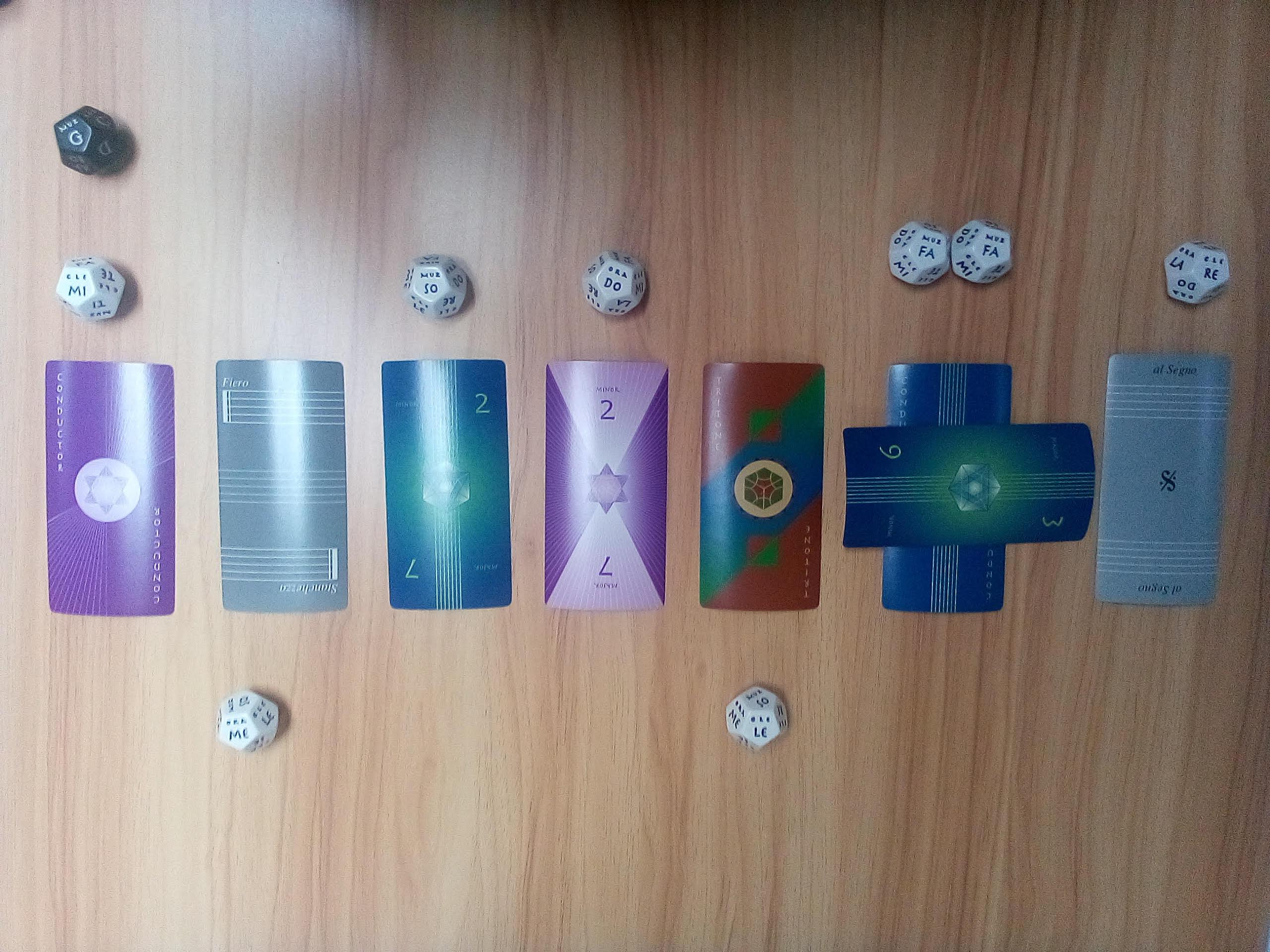
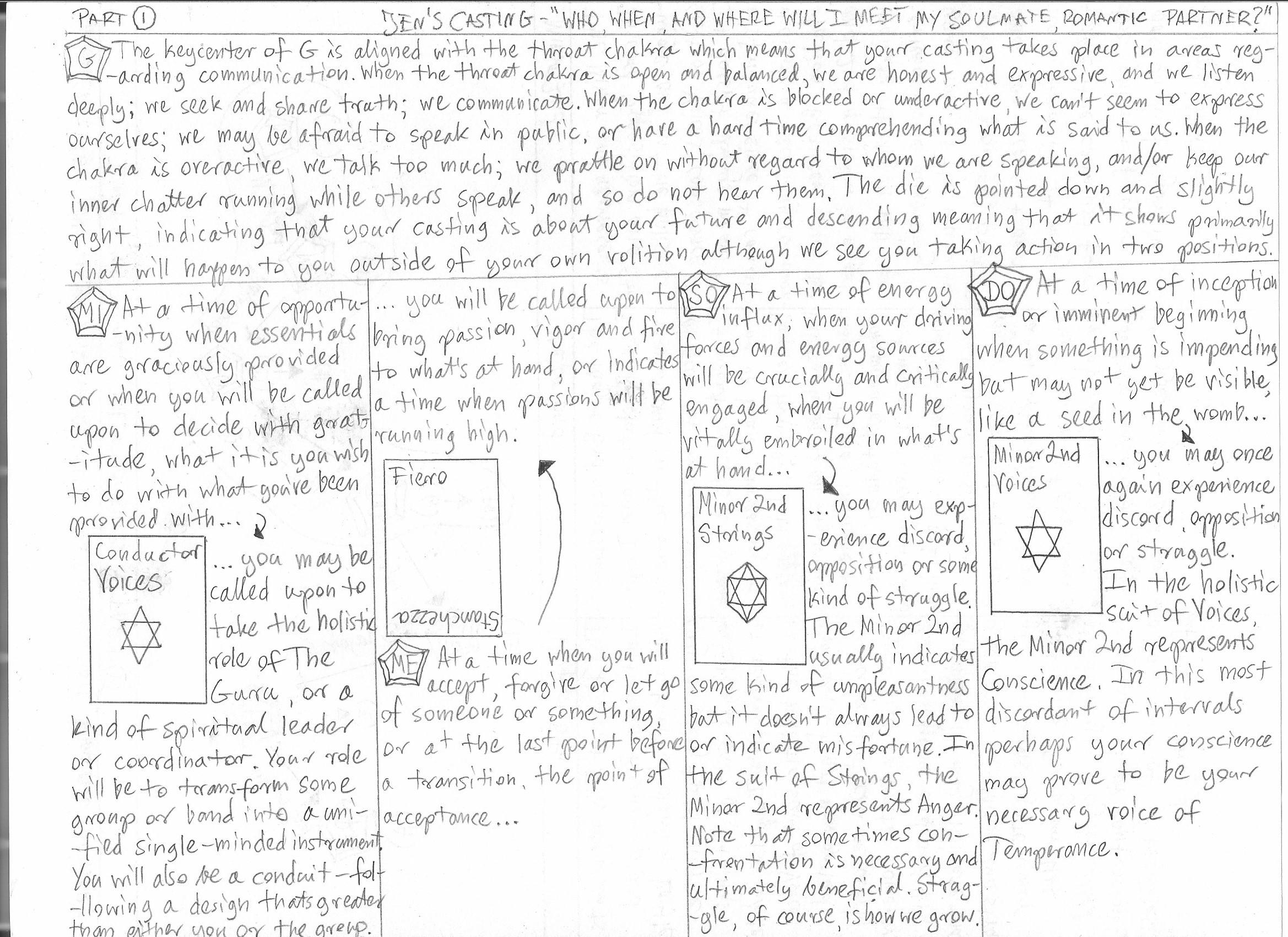
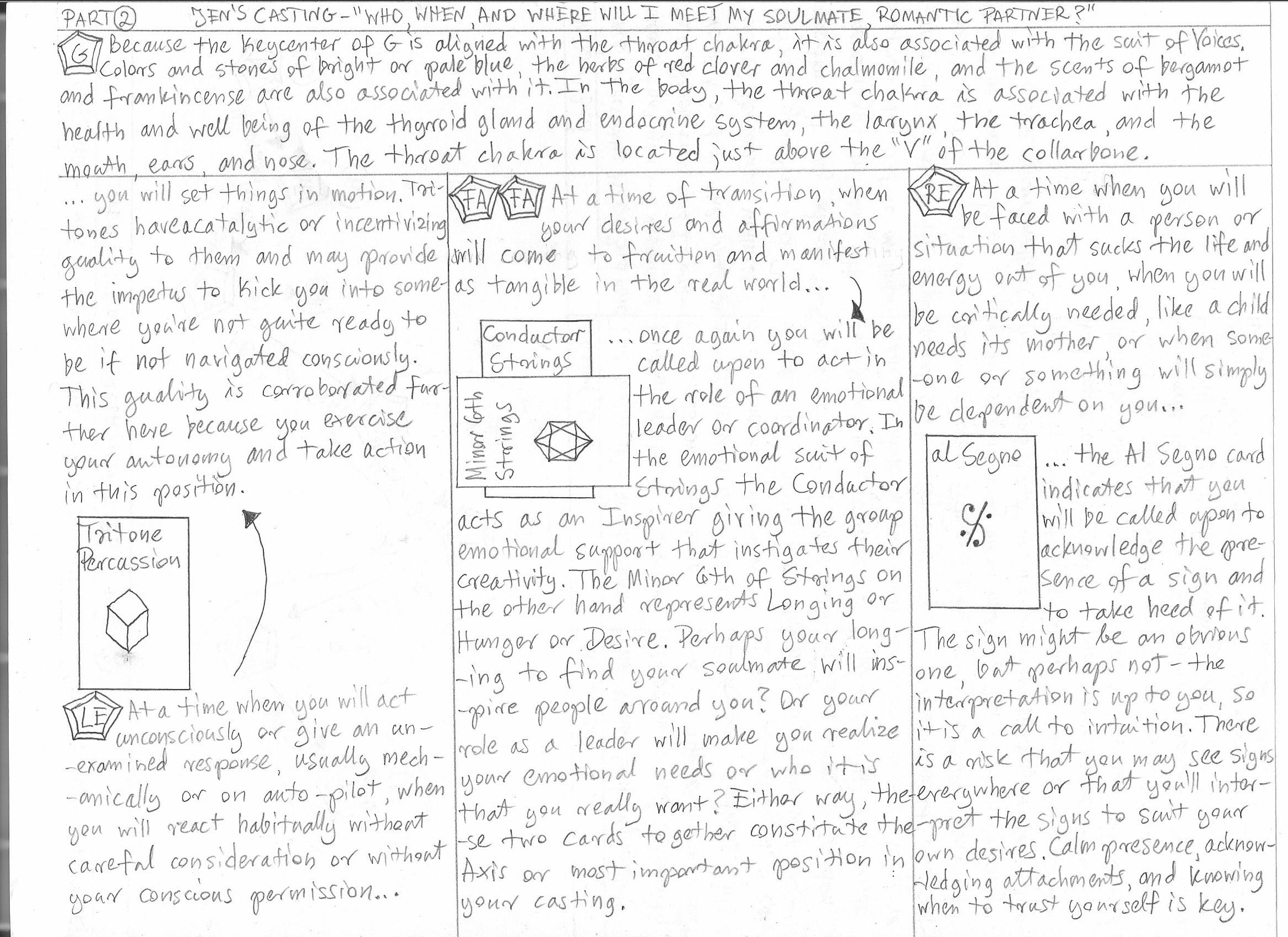
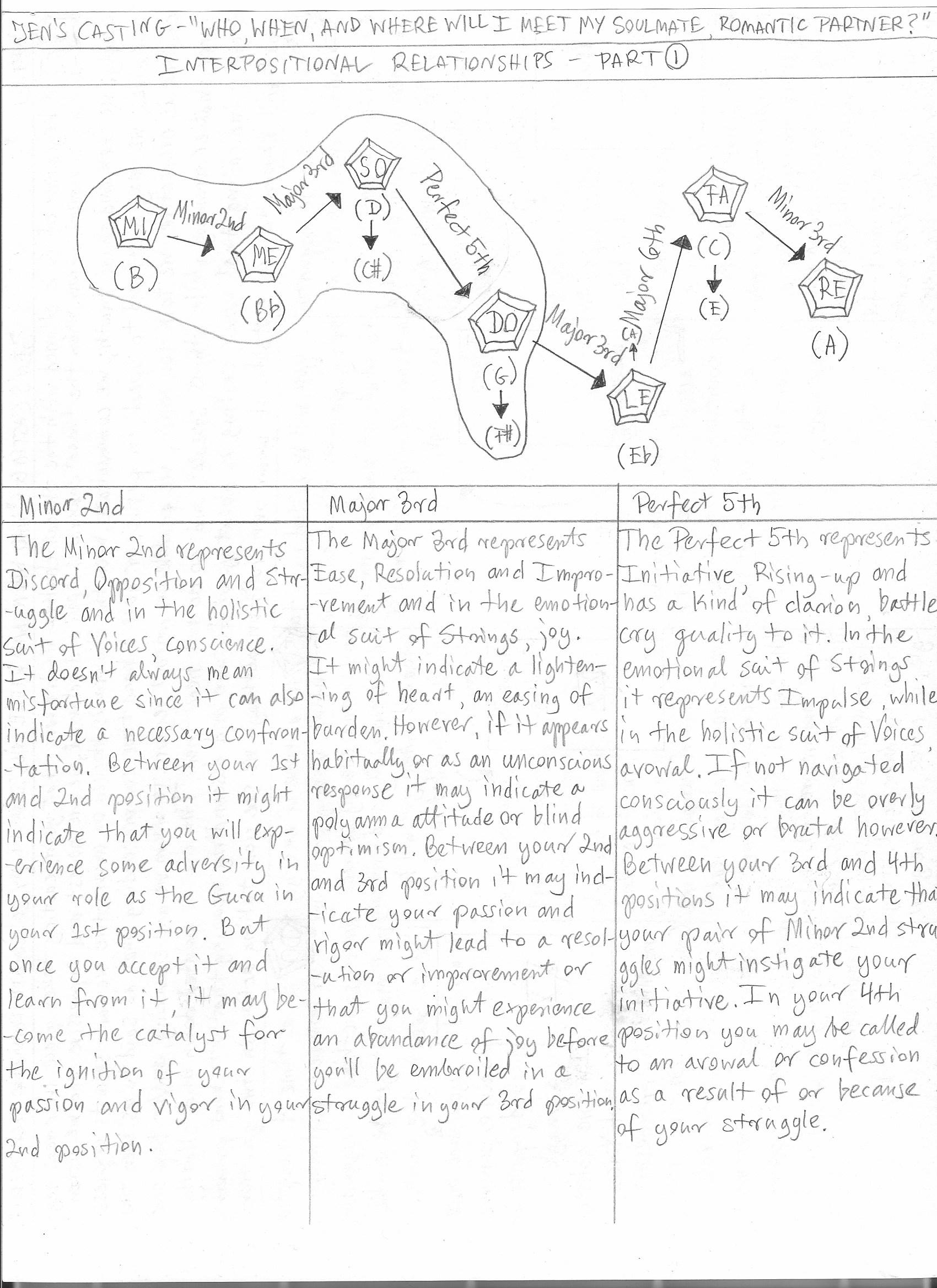
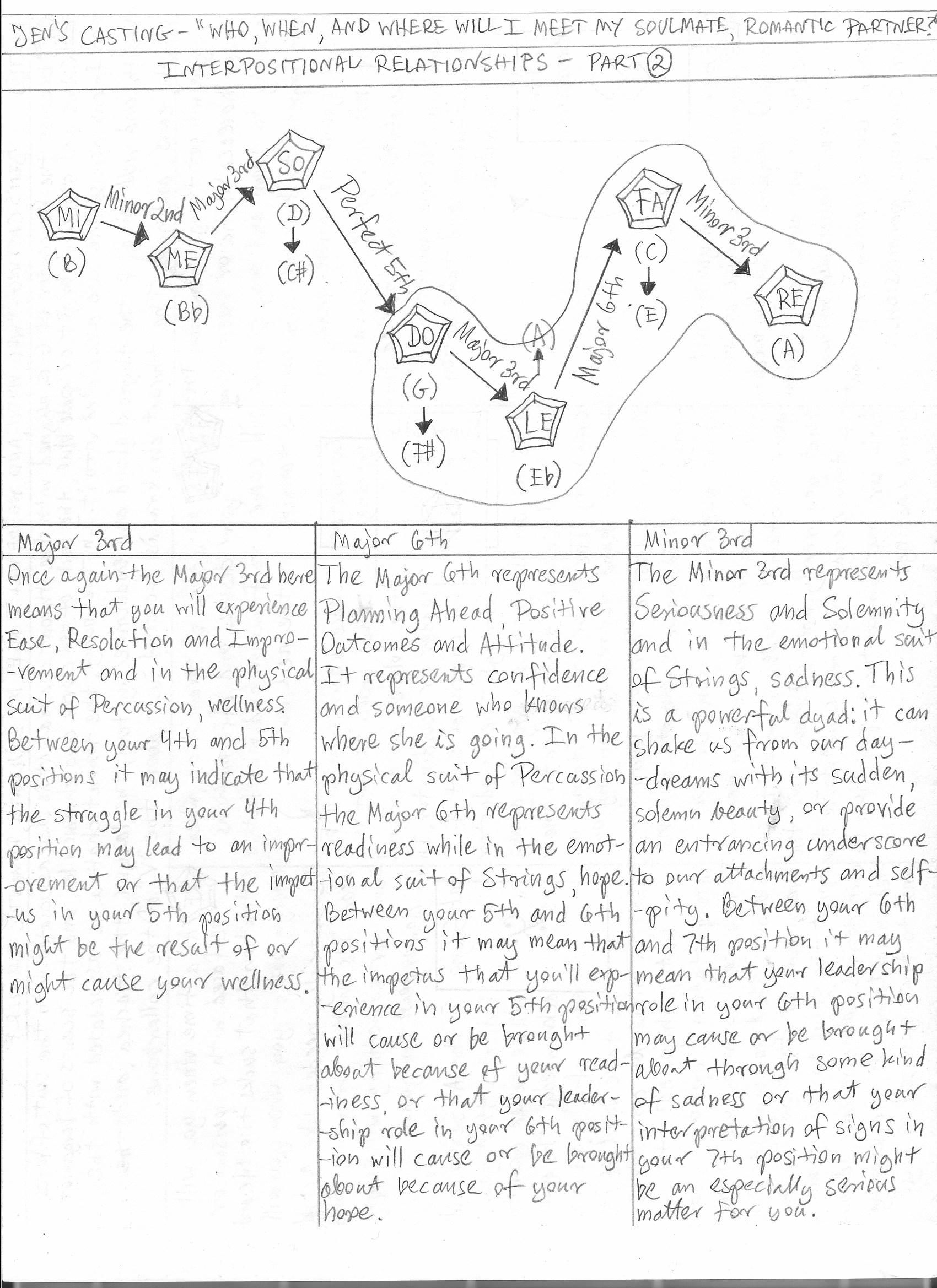
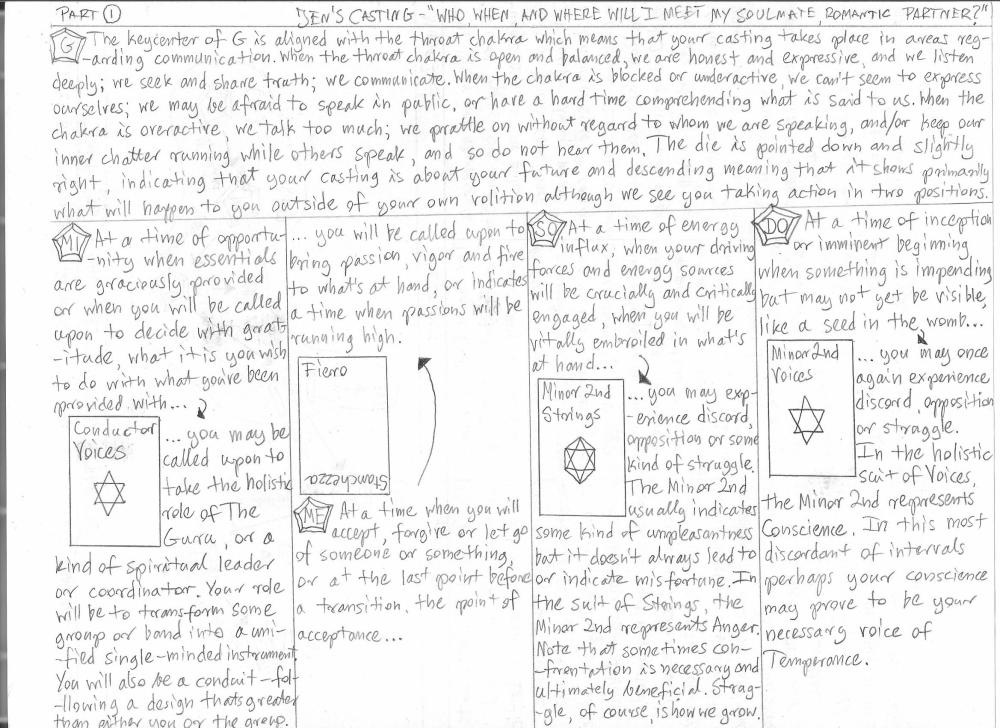
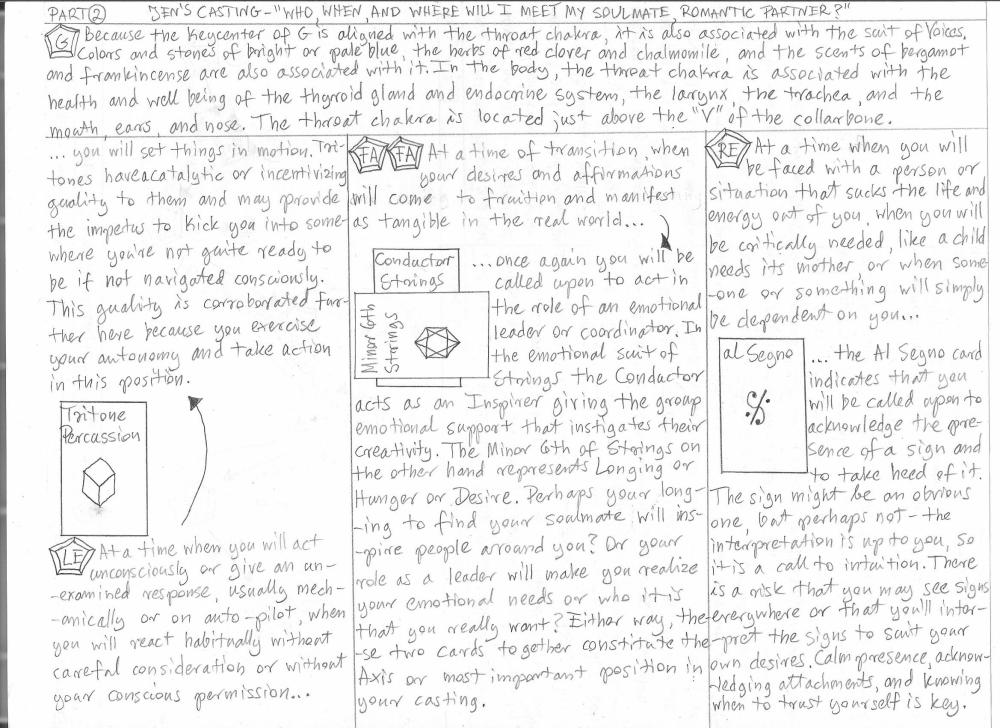
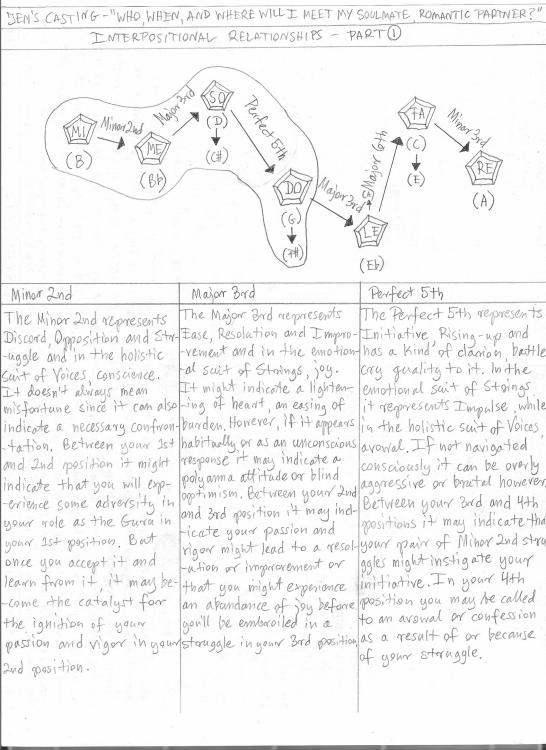
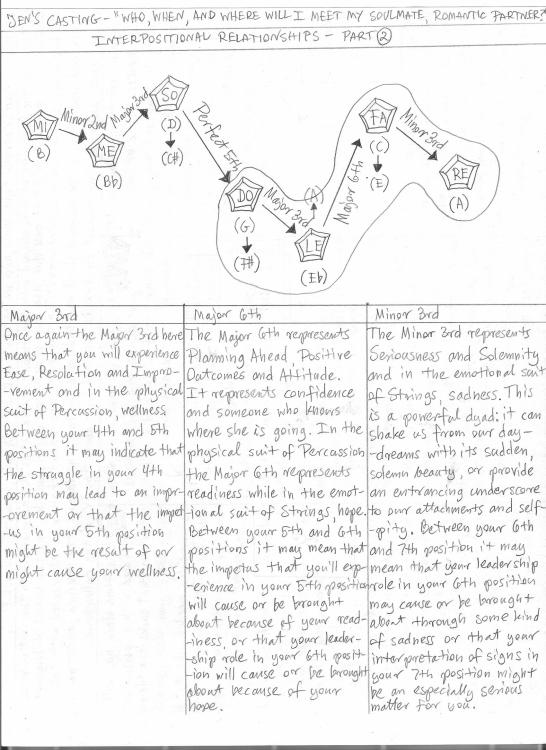
.thumb.png.8b5b433a341551e913a34392660bc95b.png) I come to you once again with my 12th Muzoracle casting! This time, Jen asked the Muzoracle "who, when, and where will I meet my soulmate, romantic partner?" (Muzoracle is a storytelling/fortune telling/divination tool similar to the Tarot card deck, but with cards with musical concepts and 12-sided Musician's dice and Solfege dice. Perhaps it may be thought of as a special musical Oracle card deck.) My interpretation of the cards and dice are displayed below. Since the casting featured two cards in the suit of Voices, I used a Soprano and an Alto. Also, there were three cards in the suit of Strings, so I used Violin, Cello and Guitar. Finally, there was a card in the suit of Percussion, so I used the Piano. I chose the Piano and Guitar because Jen has played these instruments in the past and she also happens to be an Alto. If you'd like to find out more about Muzoracle and how castings are interpreted go here: https://muzoracle.net/ This short musical interpretation of Jen's casting is about ~2 minutes long. Since the black 12-sided Musician's die landed on G, the piece is in the key of G which pertains to the throat chakra. I created the following melodic/harmonic underdrawing guided by the cards and the dice. Since the first card drawn was a Conductor of Voices card, I started with a lone soprano singing a chromatic neighbor tone to B, A#. The Violin and Guitar come in next since the Minor 2nd of Strings was drawn in the 3rd position. Following is the Alto which joins the Soprano since the Minor 2nd of Voices was drawn in the 4th position. Finally, the Piano comes in when the Tritone of Percussion card was drawn in the 5th position. The whole piece is repeated since the De Segno al Fine card was drawn in the 7th and final position. If you've gotten this far, thanks for reading! And I hope you enjoy listening to this short vocal chamber work I wrote to represent Jen's Casting. Comments, critiques, suggestions, or observations are of course, always welcome. Thanks for listening!
I come to you once again with my 12th Muzoracle casting! This time, Jen asked the Muzoracle "who, when, and where will I meet my soulmate, romantic partner?" (Muzoracle is a storytelling/fortune telling/divination tool similar to the Tarot card deck, but with cards with musical concepts and 12-sided Musician's dice and Solfege dice. Perhaps it may be thought of as a special musical Oracle card deck.) My interpretation of the cards and dice are displayed below. Since the casting featured two cards in the suit of Voices, I used a Soprano and an Alto. Also, there were three cards in the suit of Strings, so I used Violin, Cello and Guitar. Finally, there was a card in the suit of Percussion, so I used the Piano. I chose the Piano and Guitar because Jen has played these instruments in the past and she also happens to be an Alto. If you'd like to find out more about Muzoracle and how castings are interpreted go here: https://muzoracle.net/ This short musical interpretation of Jen's casting is about ~2 minutes long. Since the black 12-sided Musician's die landed on G, the piece is in the key of G which pertains to the throat chakra. I created the following melodic/harmonic underdrawing guided by the cards and the dice. Since the first card drawn was a Conductor of Voices card, I started with a lone soprano singing a chromatic neighbor tone to B, A#. The Violin and Guitar come in next since the Minor 2nd of Strings was drawn in the 3rd position. Following is the Alto which joins the Soprano since the Minor 2nd of Voices was drawn in the 4th position. Finally, the Piano comes in when the Tritone of Percussion card was drawn in the 5th position. The whole piece is repeated since the De Segno al Fine card was drawn in the 7th and final position. If you've gotten this far, thanks for reading! And I hope you enjoy listening to this short vocal chamber work I wrote to represent Jen's Casting. Comments, critiques, suggestions, or observations are of course, always welcome. Thanks for listening!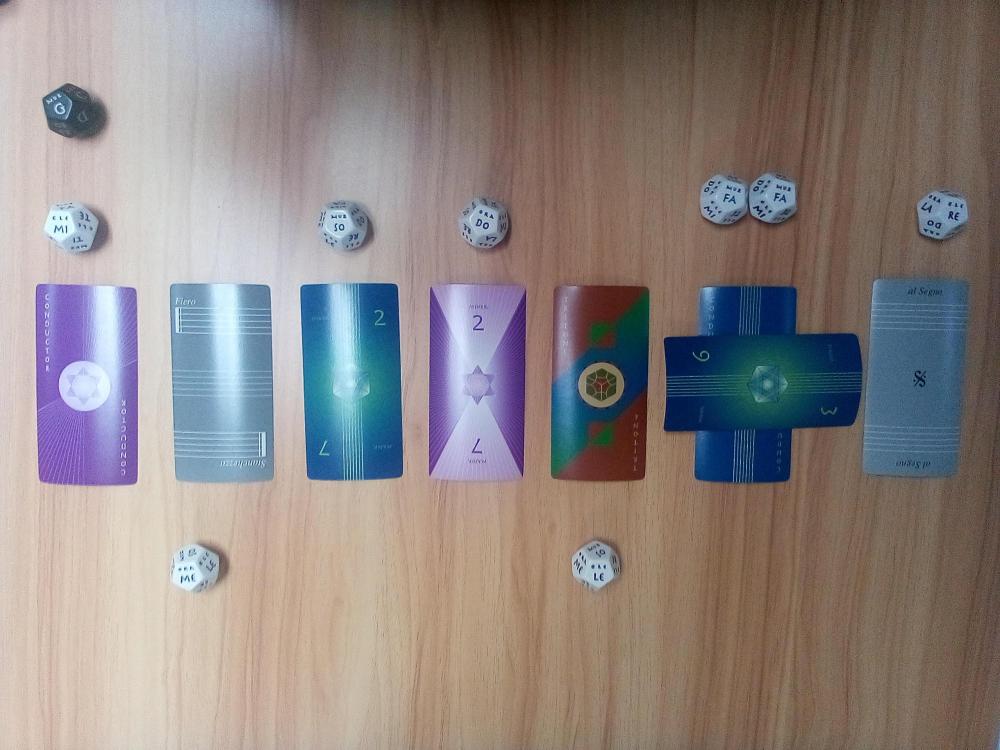

-
 Hi, I personally like the change at 4:37 ... I think you need to empower it more ... bring it out; rather than reiterating the very slow buildup in the beginning. Personally, I would bring in the new thematic material sooner to provide contrast - it has a nice mysterious quality to it. Mark
 - Yesterday
-
 Lovely little piece. I guess I shouldn't be surprised that a chain of secondary dominants works so well as a fugue subject, but I think you bring out its fullest potential. It makes little moments like mm. 32–33 so lovely because it's so diatonic but keeps the spirit of the sequence. Really cool to see what parts of the theme you kept and selected in certain parts. I think m. 37 is the only bar that I'm not as big a fan of: the P5 (vaguely on ii?) into A4 (vii˚) feels a just the tiniest bit awkward because (I think? I've been having a hard time trying to think of a reason...) the third is neglected twice.
 -
2025 Christmas Music Event!
Monarcheon replied to PeterthePapercomPoser's topic in Monthly Competitions
My submission for the event can be found here: -
Hello, all. Coming at you with something a little different for the event, but I hope you find it at least interesting, even if you don't particularly like it. I've basically decided to get really good at writing for strings nowadays, and since I'm mostly an atonalist, cello is the easiest since computers can't play that kind of stuff; the implied timbres are super important. So enjoy hearing me poorly play this miniature fantasia on Jingle Bells. I promise there's a method to the madness 😄
-
- 2
-
-
 Thank you for your opinion!
 -
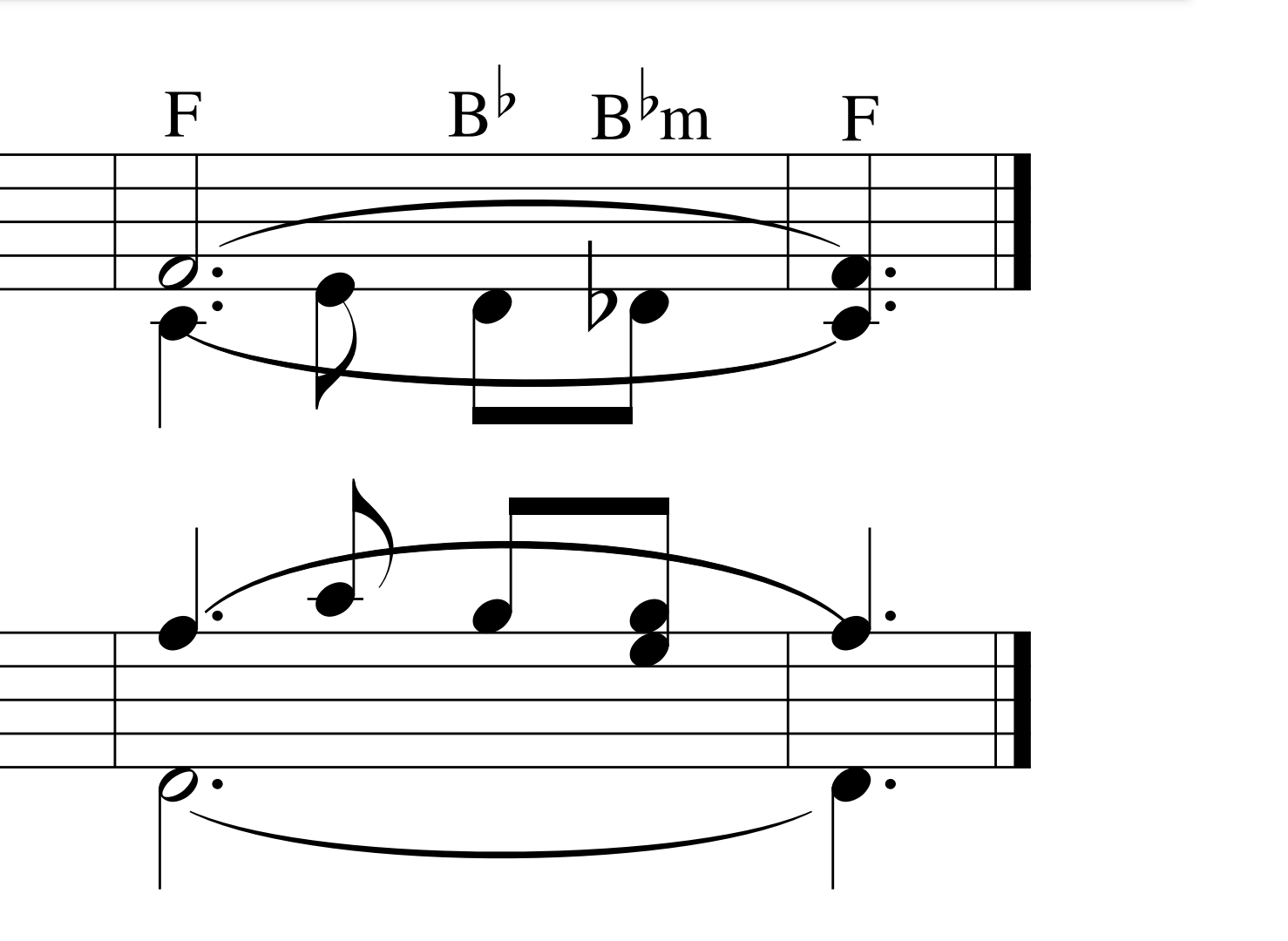
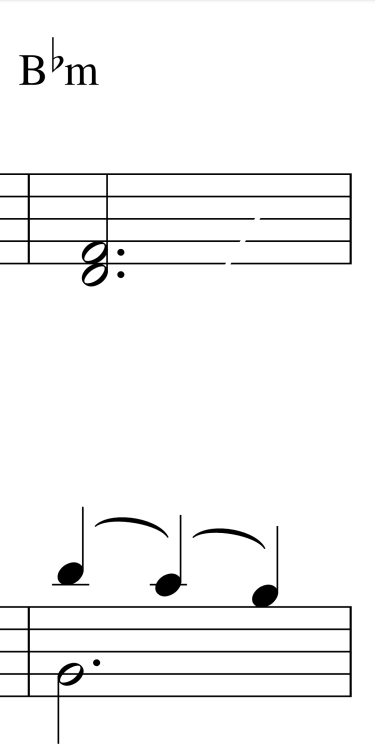
 This is 🔥🔥🔥 Do you see any spots where I could incorporate that into my piece? Yes, I agree...this is something I love to hear, but I never know if what I'm adding will fit the text or vibe of the piece. And it's something I will do at cadence points, a simple one I like to do looks like this. And it always has a nice fullness to it, slightly crunchy, but in the best way.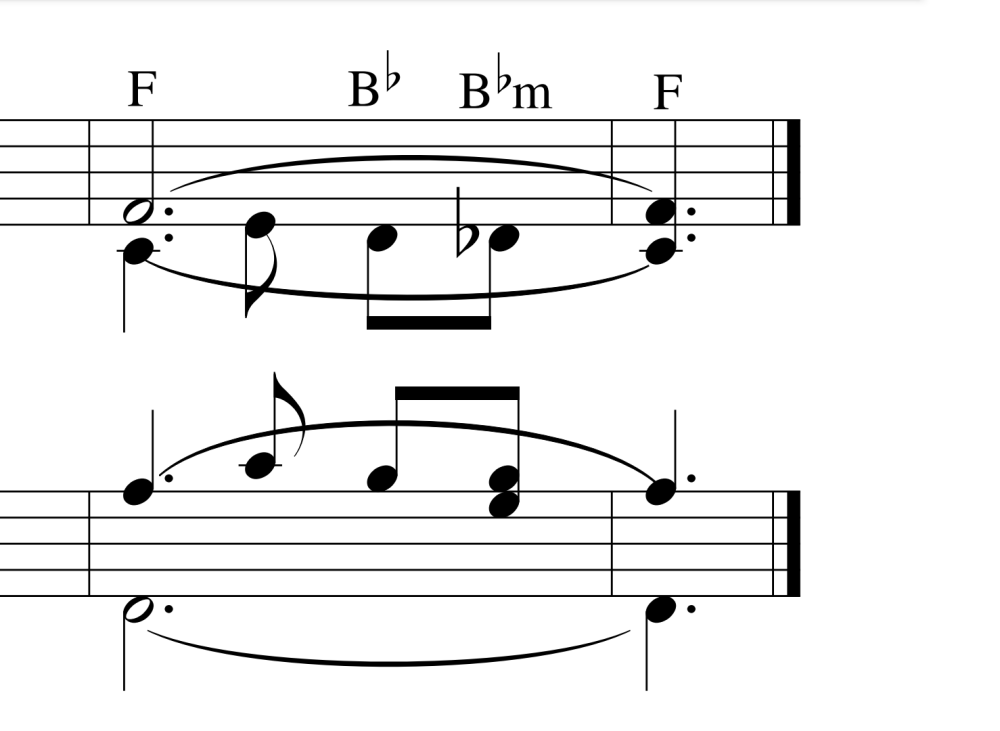
-
 thethirdapple joined the community
 -
 You can make your part writing fuller by making the bass more jumpy. Harmony could sound less thick if the movement if all the voices move smoothly by step. And although it is best to minimise the movements of the middle voices, you should try to make the baseline compete with the melody in grabbing the listener’s attention. This could be done by large emotional leaps downwards when the melody shoots skyward. Good contrary motion balance between the melody and baseline makes for a full sound. Second way is to add more passing notes in the middle voices to give some dissonance between strong beats—they make the harmony tastier. Also, suspensions can really lift up the voice leading. Third way is to make a texture, be it with figurations (as someone mentioned) or with simple imitative counterpoint in the inner voices. My advice is to try experimenting with articulations and syncopations with the inner voices (if you are writing for SATB, make sure it’s singable). Lastly, make sure the rest of the voices do service to the melody, in the sense that their rhythmic material and contrapuntal material are somewhat derived from or echo the essence of the melody in question. Same goes for the baseline. Happy composing!
 -
2025 Christmas Music Event!
Fugax Contrapunctus replied to PeterthePapercomPoser's topic in Monthly Competitions
Here's my submission! Maybe I should have waited for Christmas Eve for its publication, but I reckoned the sooner might as well be the better. P.S.: I wholeheartedly agree with the distressing concerns brought forth by @AngelCityOutlaw regarding the AI-generated music submitted for this event. It should go without saying that allowing AI-generated material to be presented on par with compositions requering hours upon hours of effort and dedication could run the risk of severly undermining the legitimacy and ultimate purpose of these community events, not just on account of the frictions and controversies caused by the presence and promotion of AI-generated content, but also on a more fundamental level which has been thoroughly implied over the course of this discussion. Despite this, I firmly believe those who want to participate and submit their art should not hesitate to do so. Why let so much time, effort and dedication go to waste after creating a work of art that is in any capacity worth far more than mere AI imitations? My take is that we should not be deterred, but rather emboldened in the face of these dire circumstances we are living through, that we may adapt to this unsettling trend and make our art known regardless. In fact, that's precisely why I think it's more important than ever not to refrain from posting our own music, lest we inadvertently pave the way for more of this AI-generated music to claim our place. It is rumoured that the Dead Internet Theory may as well soon become an increasingly encroaching and inexorable reality. By refusing to yield to the tide and sharing more of our own creations, hopefully we might briefly forestall such a harrowing prospect for this tiny little corner of the Internet where so many creative wonders are being posted and discussed every single day. The point is not to force these AI-generated compositions out by decree, but to make it so that the abundant music produced by humans in this forum may flourish beyond the scope of neural networks being used as amoral tools or shortcuts to achieve apparently similar results, yet lacking in personal significance or emotional depth. Banning AI-generated music will not ameliorate the problem at large, but composing music through righteous harship might as well be the only substantial antidote against the proliferation and normalization of this kind of content. That being said, I'm certain this must be quite a difficult point of contention for the forum's staff to deal with and try to find a meaningful solution for, so I won't comment further on the subject matter. In any case, I hope whichever resolution or agreement is reached on this issue will allow the course of these community events to carry on peacefully and with respect towards the time, effort and dedication proportionally invested into each submission. It is good to know that this matter is being seriously discussed by staff and high-ranking members alike, and as such I would like to thank @Henry Ng Tsz Kiu and @PeterthePapercomPoser among others for their dutiful labour in calmly trying to sort out things amidst the heat of the debate. -
In anticipation for this year's Christmas Eve, I decided to try my hand at writing another religious motet. Considering the fact that the bulk of this piece has been composed merely in the span of yet another insomnia-driven bout of inspiration, perhaps its modest length may as well be a reflection of missed potential, as I reckon it could have been developed into a more complex structure should its latter half not have got stuck on a protracted pre-cadential spiral. Once again, just as with my previous vocal fugue, the main goal of this composition was to make the text as intelligible as possible (specially taking into account the musical history of such a well-known textual setting), that is, within the confines and constraints of an 8-voice motet. This has ultimately led to some interesting contrapuntal oddities which, despite the preservation of independent voice-leading and thorough avoidance of melodic and harmonic blunders, have produced a number of somewhat unorthodox unresolved dissonances throughout. Nevertheless, I believe such contrapuntal licenses are more than sufficiently justified given the scope of this piece, as well as the sheer volume and density of its texture all the way through. This piece was specifically conceived as a submission for this year's edition of the forum's Christmas Music Event, and shall be presented accordingly in its dedicated thread. YouTube video link:
-
- 1
-
-
Ahhhhh this makes sense...
-
Google: "The chorus effect in music creates a fuller, richer sound by duplicating an audio signal, slightly delaying the copies, and subtly shifting their pitch and timing, making it sound like multiple instruments or voices are playing in unison, adding depth, width, and texture, common on guitars, synths, and vocals for a lush, shimmering, or "detuned" quality. It works by using a low-frequency oscillator (LFO) to modulate the short delay time between the original sound and its copies, creating a constantly shifting phase relationship that thickens the sound. "
-
Not exactly sure what you mean by "chorus effect" I think one thing that I wasn't articulating was arranging the parts (this is partially contingent on the melody), so that there's a peak and the song doesn't just say on the same plane for the whole time. For example, "Abide With Me", is honestly pretty standard, part-writing wise, but it has peaks.
-
Thank you so much, Vince! This just made my day 😊
-
Yeah! I thought of another point: 4. Lack of vibrato/chorusing. Instruments or voices sound full when many of them sing or play together and the vibrato of many individuals turns into the emergent property of groups of voices or instruments that we perceive as ensemble resonance. Many samples and soundfonts already simulate this, but you can increase it or adjust it with the "chorus" effect which makes the vibrato wider or narrower.
-
Like this? I like how this sounds
-
Haha it's also just an instinct to start on form first, nothing smart in it. I just really love forms in the 1st place and luckily have some really good books on it in my school library so I can study on my own as early as possible. Maybe becoz of that, I suffer from "gee what comes next" syndrome more! I cannot just care whether the harmonic progressions work, but also how to make sense of each passages and their transitions! Henry
-
Write the 2026 Mikrokosmos update we need :D
-
This is really smart. I instinctively am harmony first, but thats why its good practice to start with other facets of music for different pieces. Form first is great because most neglect it at first and it's the best cure for "gee what comes next"
-
Wow... Your voice is wonderful, I love the timbre and emotion in your singing. Don't be bashful about it! Do I think you should do more songs? Definitely :) Please keep writing and performing these, I had no idea I'd like your vocal music so much
-
But why covering basics would be annoying? 🤪 I myself, weirdly take form as my first approach to composing, but not harmony and counterpoint. Maybe that's why I have to write longer pieces instead of shorter ones now.
- Last week
-
For people that already know my work,i have started a new catalogue, so you will now often see LOB instead of SanWV.LOB stands for Liber Operum Barrosianus, just a fancy way of putting a catalogue name. I hope you like the piece! ❤️
-
That's a valid view. It's annoying that harmony text cover basics. I think there should be re-working on how harmony, counterpoint, and form should be taught.