Search the Community
Showing results for tags 'microtonal'.
Found 23 results
-

Op.6 Nr.2 my second microtonal collage piece
cloud10000 posted a topic in Piano Music, Solo Keyboard
this is my new piece, hope you like it! the video: 【拼贴微分音】作品6之2 大杂烩_哔哩哔哩_bilibili- 1 reply
-
- 1
-

-
- claudio huang
- original
- (and 4 more)
-
Hello everyone, I am back, this is my new piece in microtonal collage music, hope you like it! the video: 【拼贴微分音】作品6之1 土耳其烤肉进行曲_哔哩哔哩_bilibili
-
this is an album includes 8 microtonal piano pieces I composed previously, sound effects have been adjusted to be more pleasant to the ear, hope you like it! the video: 【微分音专辑】作品5 八首微分音钢琴音乐的开山之作_哔哩哔哩_bilibili
- 1 reply
-
- 3
-

-
- microtonal
- experimental
- (and 4 more)
-
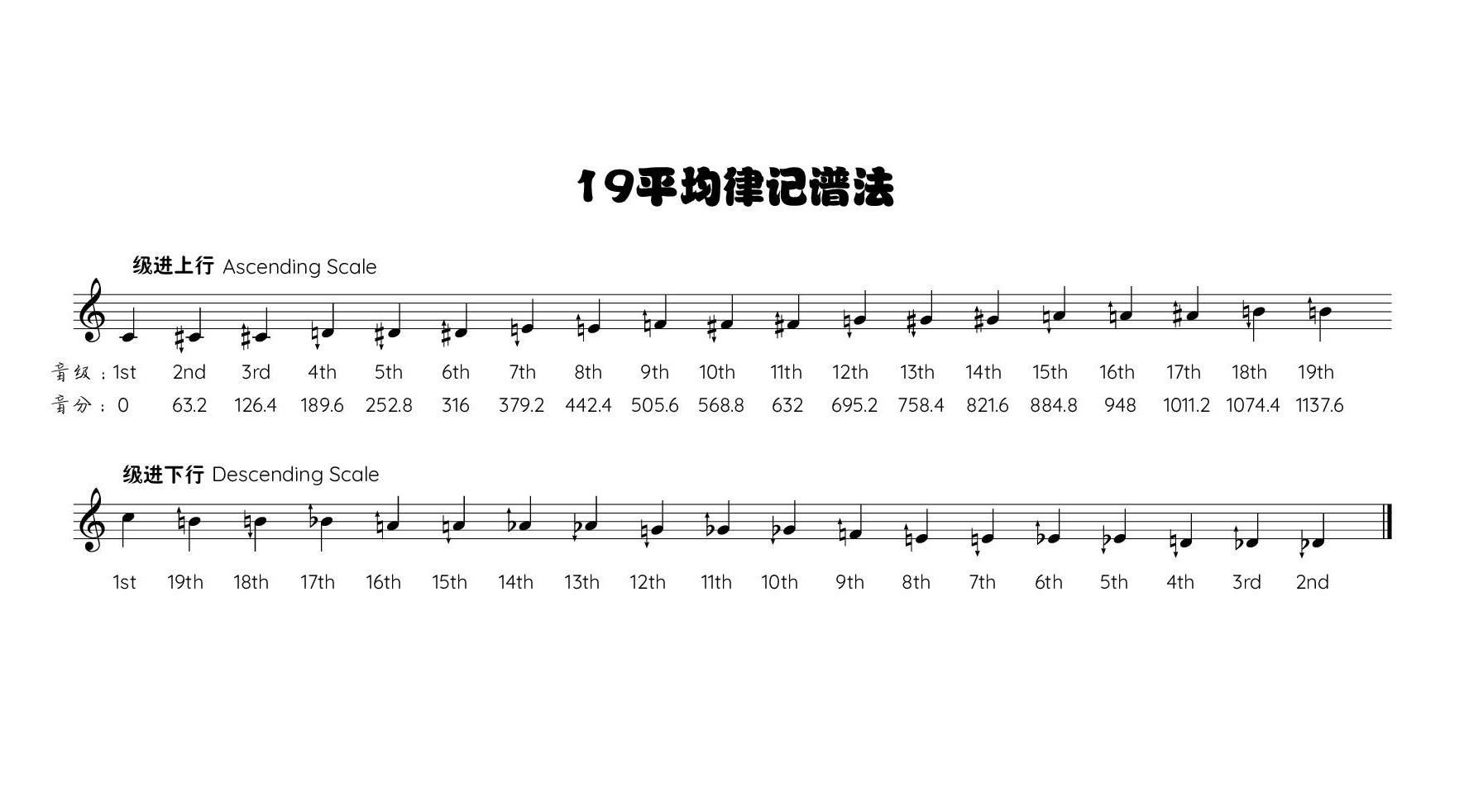
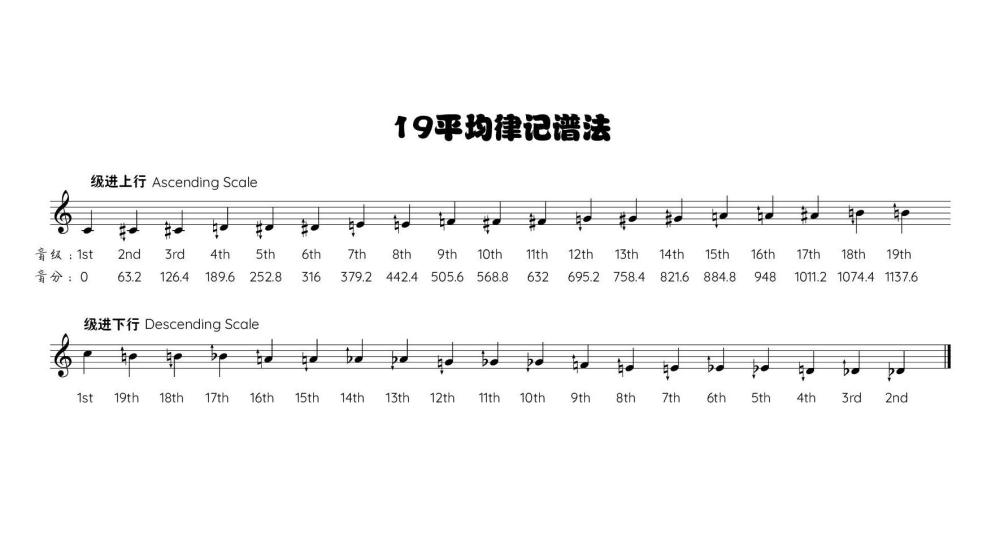
my new microtonal piano piece, adpoted 19 tone equal temperament and normal piano, which intertwined with each other. the video: 【微分音钢琴】作品5之8 变奏曲_哔哩哔哩_bilibili
-
hello everyone, this is my new piece, hope you like it! the video: 【微分音钢琴】作品5之7 无标题_哔哩哔哩_bilibili
- 3 replies
-
- 2
-
-
- sonata
- microtonal
- (and 5 more)
-
hello everyone, this is my new piece combined classical and modern together, piano music is the leading role, it mixed with concrete music as well, hope you like it! the video: 【微分音钢琴】作品5之6 无标题_哔哩哔哩_bilibili
- 2 replies
-
- 1
-
-
- post modern music
- concrete music
- (and 6 more)
-
this is my new piece, a hybrid of microtonal piano, concrete music and noise, hope you like it!
- 2 replies
-
- 1
-
-
- original
- claudio huang
- (and 4 more)
-
hello everyone, I am back, this is my new piece, hope you like it! the video: 【微分音钢琴】作品5之4 无标题_哔哩哔哩_bilibili Op5 Nr4.mp3
-
this is my new piece, hope everone's commentation the video: 【微分音钢琴】作品5之3 无标题_哔哩哔哩_bilibili Op5 Nr3.mp3
-
hello everyone, I am back, this is my new piece, hope you like it! the video: 【终极完美版】作品5之2 微分音钢琴音乐的开山之作_哔哩哔哩_bilibili
- 2 replies
-
- 1
-
-
- experimental
- avant-garde
- (and 6 more)
-
Hello everyone, I am back, this is my new piece, hope you like it. the video: 【微分音钢琴】作品5之1 无标题_哔哩哔哩_bilibili
- 1 reply
-
- 1
-
-
- avant-garde
- microtonal
- (and 5 more)
-
this is my new compisition, hope you like it. video: https://www.bilibili.com/video/BV1Pf4y1178o/
- 4 replies
-
- 1
-
-
- claudio huang
- piano solo
- (and 6 more)
-
Hello everyone, I am coming back, this is my new piece, hope you like it
- 2 replies
-
- 1
-
-
- polychromatic
- grave
- (and 6 more)
-
Hello everyone, I am back, this is my second piano piece of microtonal music, hope you like it!
- 2 replies
-
- 2
-
-
- claudio huang
- experimental music
- (and 5 more)
-
hello everyone, I am back, this is the first microtonal piano piece I composed, hope you like it!
-
This is a short piano piece I have composed using microtones. I hope you like it!
-
 Our music notation system is built around the diatonic scale, but could we build it around a different scale, like the pentatonic scale? And what would that change? That's what I dive into in this video, if you'd like to check it out: The tl;dr here is that, when you change to a pentatonic notation system, the sharp/flat in that system ends up being the minor second from our diatonic system, and that leads to what I think is an inspiring new perspective for playing and composing music. In addition to providing a new perspective, it also makes a practical and audible difference when playing music in tunings where are enharmonic equivalents are no longer equivalent, since alterations of the pentatonic scale by the pentatonic sharp/flat (the diatonic minor second) will actually sound different than alterations of the scale by the diatonic sharp/flat (the diatonic augmented unison). In the video, there's a short boogie-woogie style composition that I wrote in 19-tone equal temperament with this pentatonic system in mind. What do you think about the results, and the idea of a pentatonic notation system itself? Would you try to write something using this notation system if a notation program made it available to you? I'd love to hear any thoughts, and please feel free to ask any questions about the video, and the initial theory I breeze through. (I had to gloss over that stuff to get to the meat of the video, and I do realize it ends up being a bit of a bombardment in the beginning there.)
 -
A buddy of mine (Gareth Hearne) wrote this microtonal Sanctus in what's called "porcupine temperament", and I finally got around to making a recording of it: Similarly to how western music has a circle of fifths, Porcupine Temperament has a circle of small major seconds (approximately 160 cents wide). It approximates many intervals of the harmonic series as well or better than standard western tuning, especially the 11th harmonic. (Kind of like how barbershop singers sing their minor sevenths or augmented sixths flat to be in tune with the 7th note in the harmonic series, porcupine has a "fourth"-ish thing that lines up with the 11th note in the harmonic series and it, I think, blends very nicely!) If you have any questions on the theory I'd be happy to talk about it, thanks for listening =)
-
 Here's the third and final movement to my trio for guitar, bass, and harmonic series keyboard. Please have a listen and leave any comments, feedback, and criticism as all the feedback I've received has been very valuable so far. Above all, I hope you enjoy it.
 -
Here's the second movement for my first microtonal trio for guitar, bass guitar, and keyboard tuned to the 32-note Harmonic Series scale. Please leave comments, criticisms, feedback, as even Monarcheon's feedback on the first movement helped a lot. Hope you enjoy it!
-
Hey everyone! Please check out this trio I wrote for me and my two friends to play. So far only the first movement is completely rendered (ie transcribed from sheetmusic to mp3), but I'll probably have the other two movements done within a week (work permitting). I should mention that the development section is abridged because my friends aren't the most professional of musicians and I wanted to have something they would actually want to play. This synthesized recording was made on LMMS from the original sheet music. The keyboard part plays a plucked string sound sample and is tuned to the 32-note harmonic series scale. Enjoy!
-
x
-
Since many people don't know where to start when composing microtonal music, I put up a short tutorial on how to get microtonal playback using either and AXiS-49 keyboard or your QWERTY keyboard and some freely available software, with a few examples at the end of different scale structures and chord progressions that are only possible in microtonal music: Is this helpful? It goes into a *very* shallow description of regular temperament theory and provides more links in the description box, and mostly focusses on getting you playback. Any critiques are appreciated!