All Activity
- Past hour
-
I like the C nat 😛 Lovely music Mikayla, thanks for sharing!
-
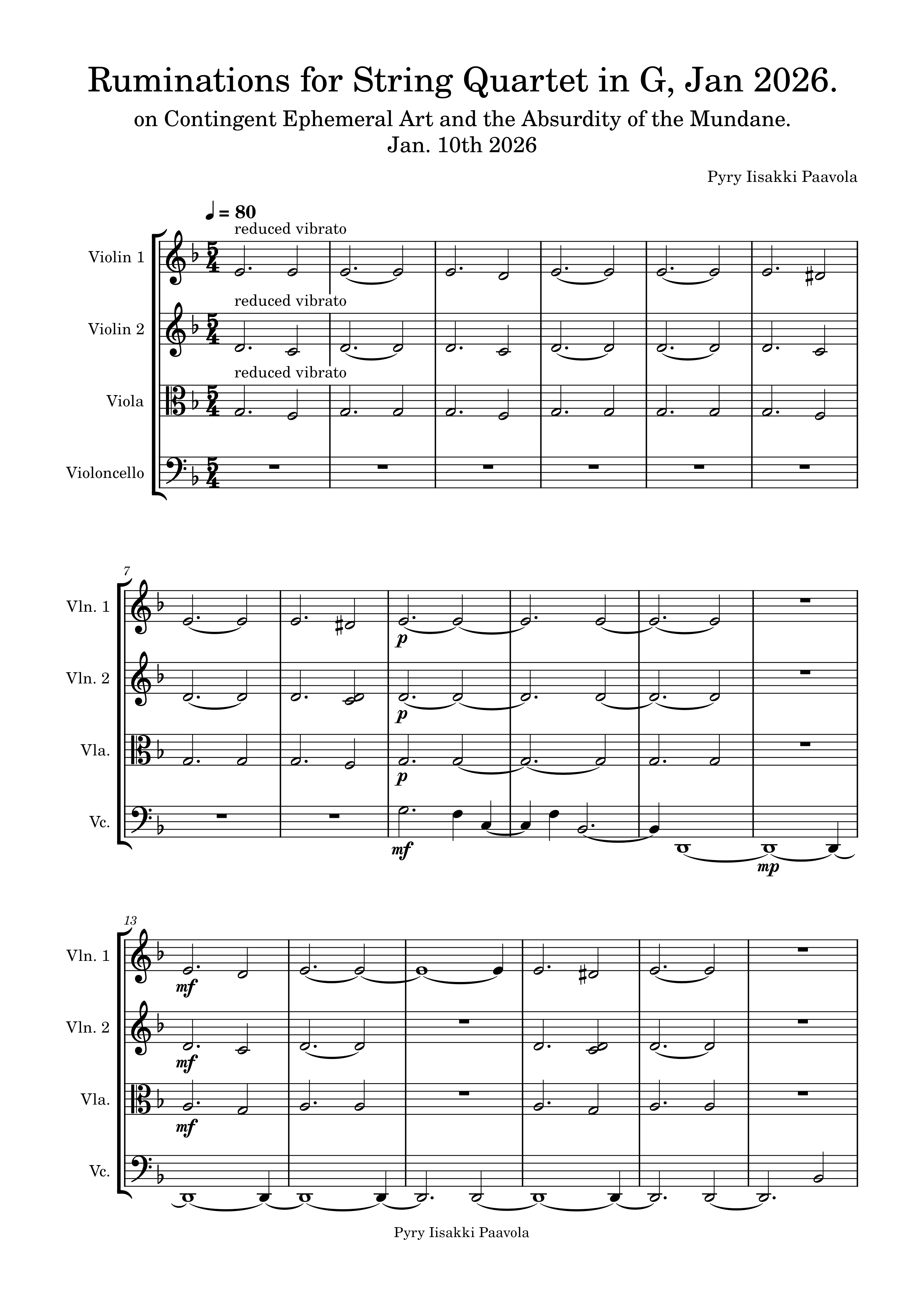
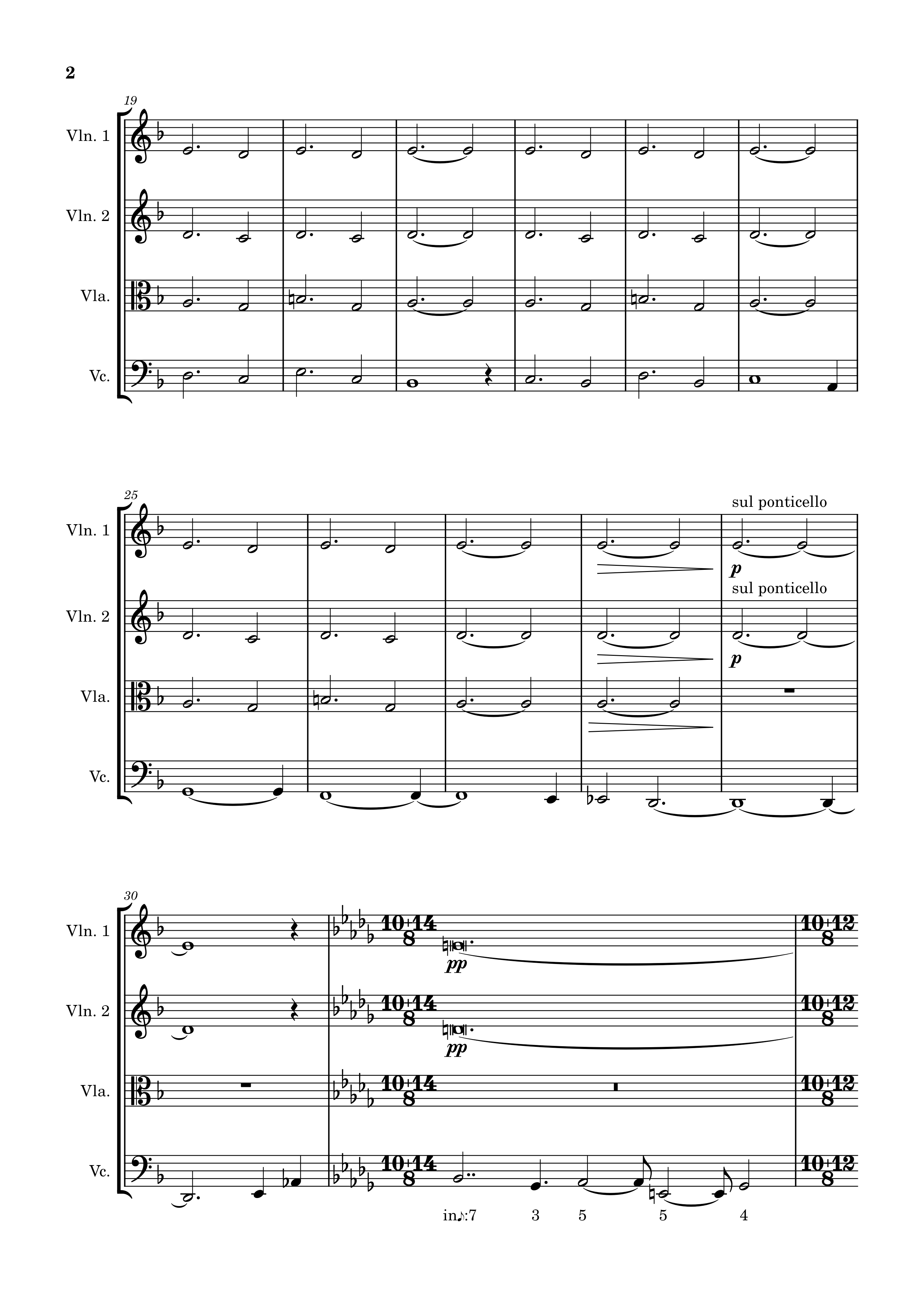
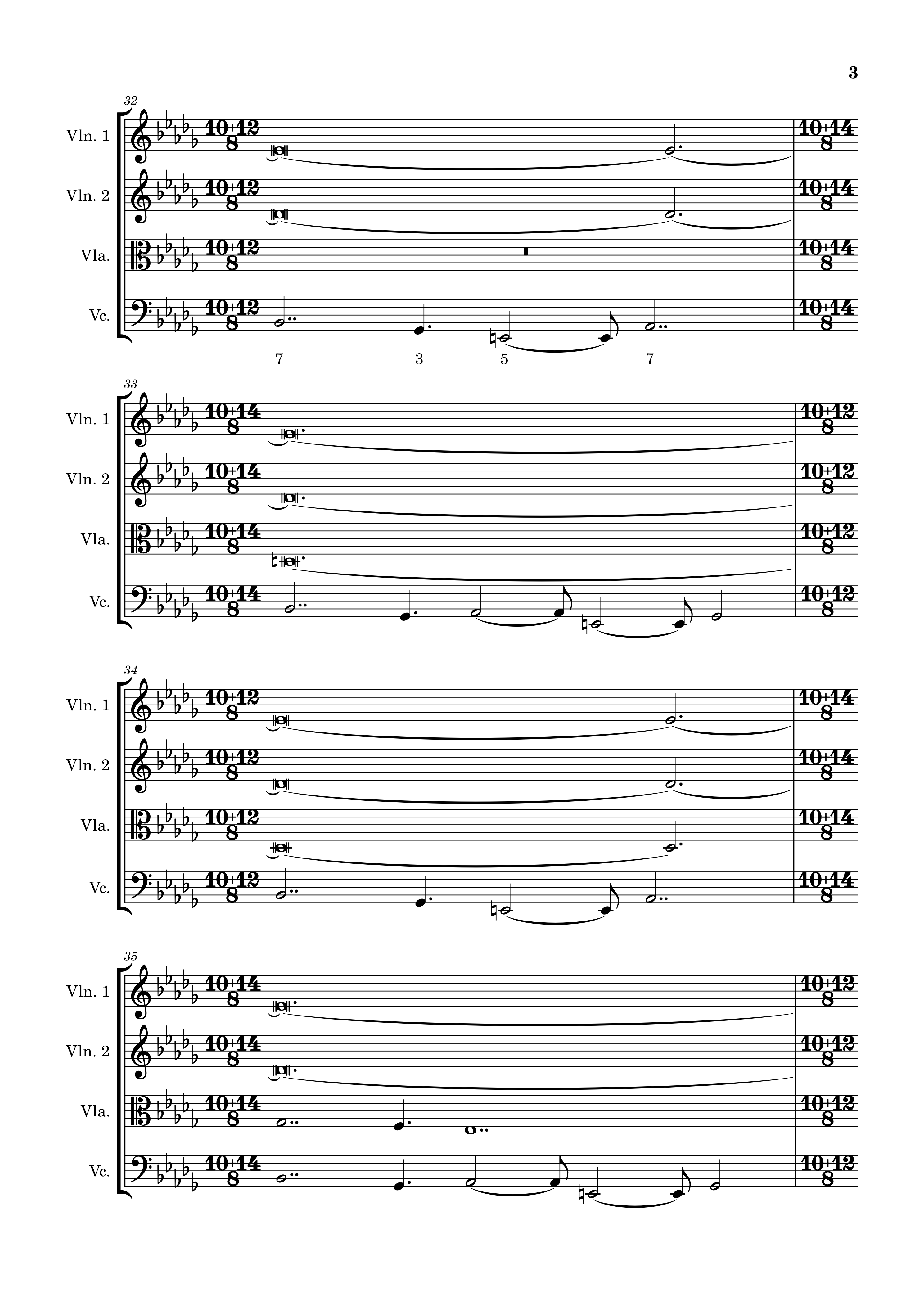
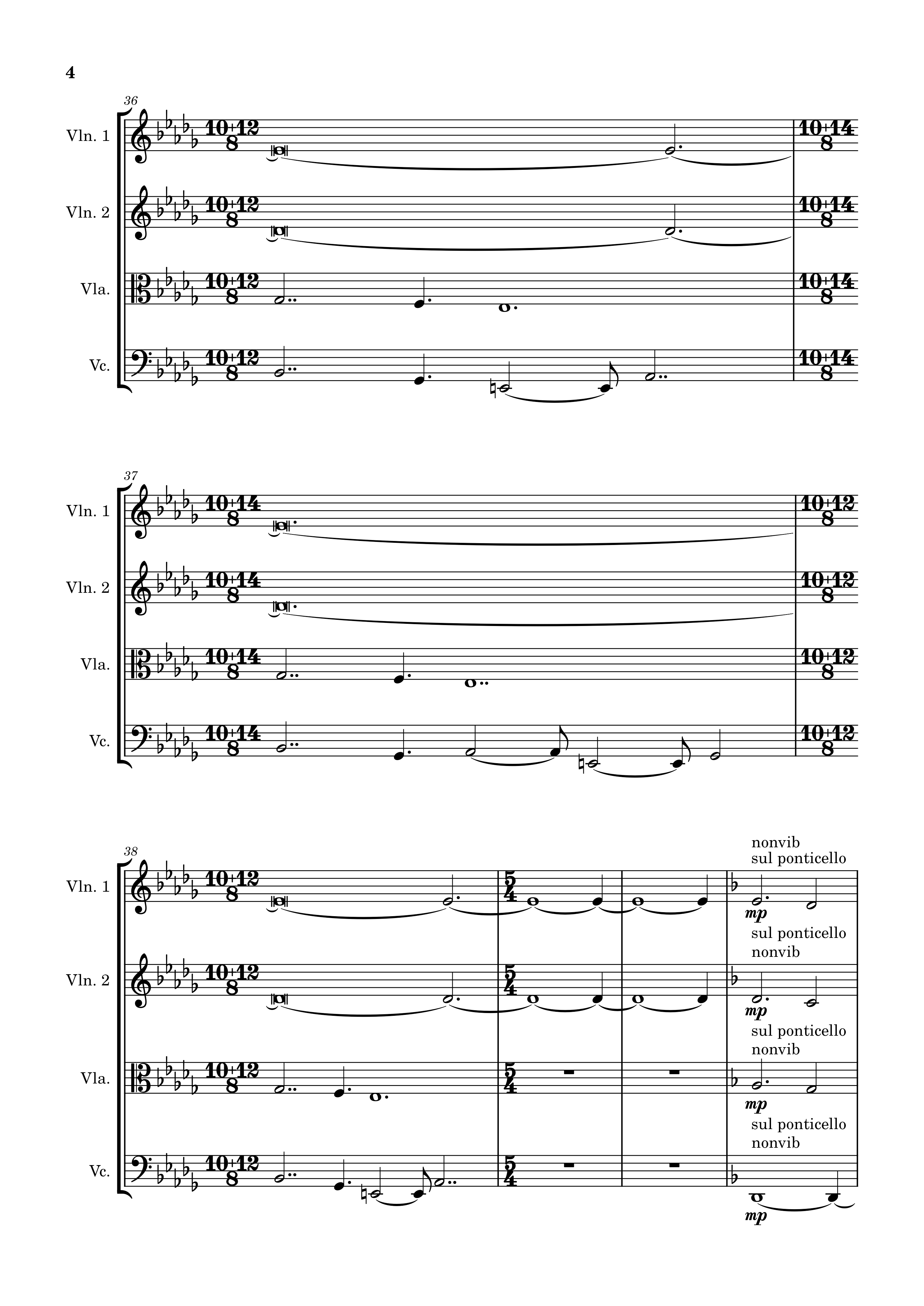
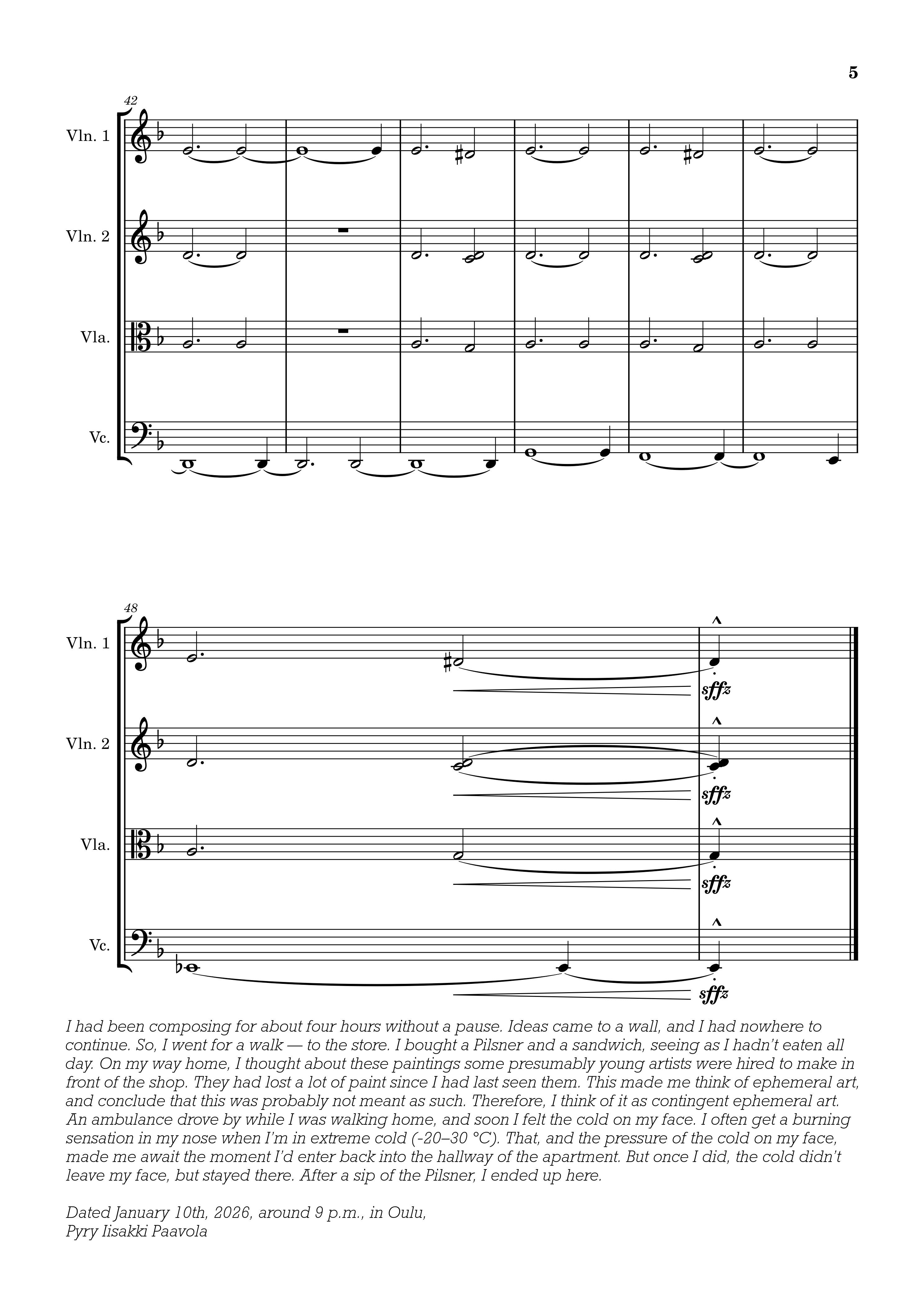
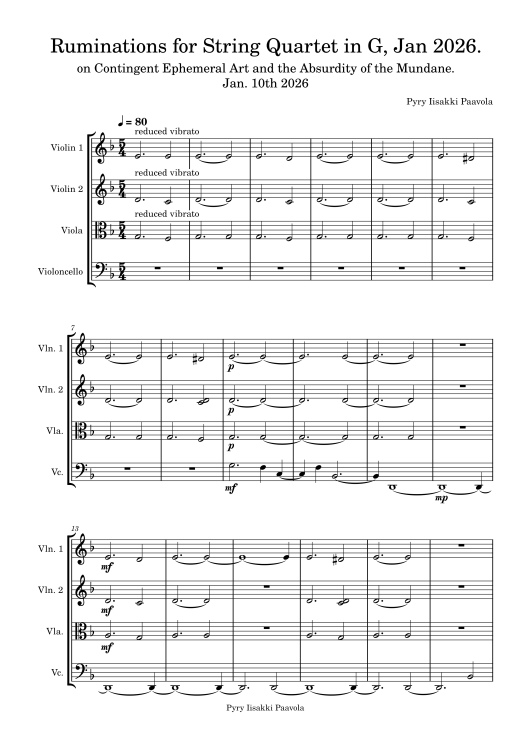
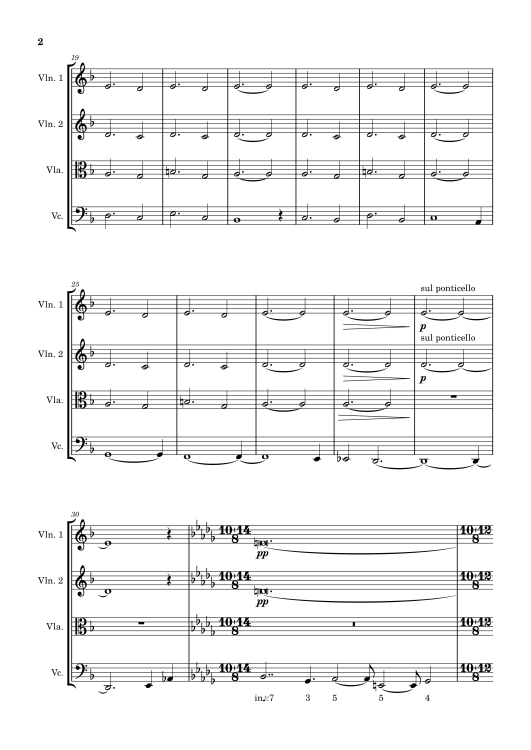
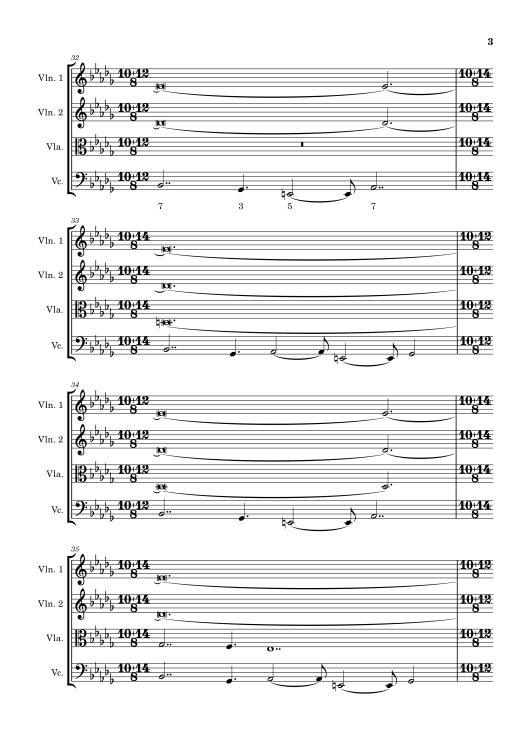
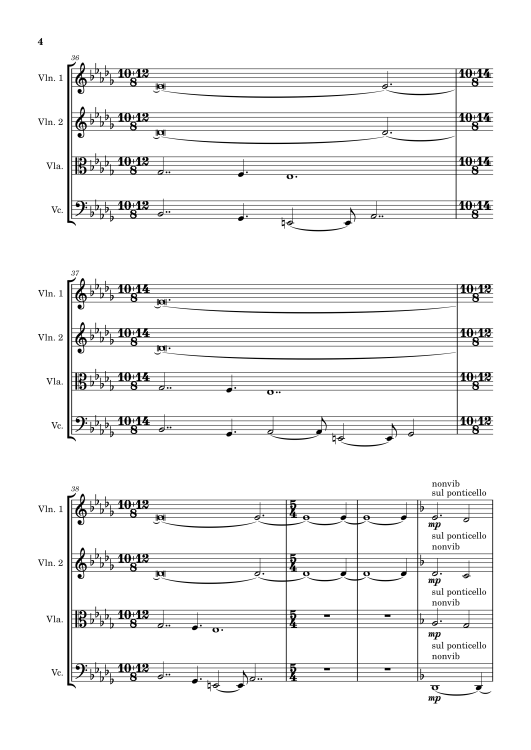
Based on ruminations ("the action or process of thinking deeply about something") on "contingent ephmeral art" and the absurdity of the mundane. Liner note (also on last page): Ruminations for String Quartet in G, Jan 2026..mp3 All thoughts welcome! Every little piece of attention feeds my ego-
-
Hello! Here's a funeral march type piece. Form and harmony are very static and simple, in Fm with an A | A1 | A2 form. Hope you enjoy, and as always, any comments are welcome 🙂
-
- 1
-

- Today
-

"Miniatures from The Epic of Gilgamesh" - Trombone Quartet
ComposaBoi replied to RochaTipoPedra's topic in Chamber Music
I've not listened to the piece yet, but just looking at the score, I think you could change the sizing. 4 or even 5 systems per page would be better and more standard. -
@MJFOBOE Thanks for the thoughtful feedback. I do realize the ending lacked something, but I've racked my brain to come up with something good and couldn't get it to where I really liked it, so I just went with something instead of overthinking it. I am open to changing it if I come up with something better later! Do you mind saying why it feels like Bartok? I'm curious because I'm not familiar with his work.
-
@Henry Ng Tsz Kiu Thank you! I forgot to write asking if I had this in the correct key because I was unsure of it and confused with all the flats haha
-
 Thanks Henry. Mendelssohn is a composer I've neglected until now; although he was apparently a greater child genius than Mozart! I accidentally wrote a few hand clashes in the harp (e.g. Bar 45 on Middle C). Hadn't thought of using xylophone, but will give it a try. I would like to add more for the violins and celli to do: so I think your suggestion is a great idea.
 -
A charming "twinkle" of a piece which brought a smile to my face. May only comment is ... I felt the ending had a bit less flair within the context of the composition. I really like the different feels in the work from "jazzy" to "Bartok". Mark
-

As the sun descends - Large Orchestra + SATB Choir
MJFOBOE replied to Symphonic's topic in Orchestral and Large Ensemble
A beautifully crafted work. I am curious to know what the motivation/intent is for this creative extensive Symphonic/Tone Poem? Mark -
I am sooo sooo glad you liked the compositional devices I used! Thanks a lot Henry ☺️
-
 Regulation.
 -
Hi. Welcome! I could help.
-
 Hi @mercurypickles! Thx for a really long review. I don't expect someone reviewing this year ago Sextet! Thank you! I am sure there are lots of great pieces in the forum but I would also admit this one is one of them too haha. Yeah actually this formal inspiration only grew after I finished the first movement. I originally only wanted a single movement Sextet, which contains the first movement only, but after reflection and a meeting with my philosophy professor and friends I knew it's not enough, so I planned a 2nd movement as well. I would say had I not written the second movement, this would be a complete miss and a big fault for not having the opening theme reappears at the end of the 1st movement. But luckily I did turn this fault to a bigger blessing when I had the opening theme reappeared rather in the climax of the second movement with a 3 voice unison which really strengthens the power of the theme, which the power would be reduced had I let the theme reappear in the first movement after its initial reappearence. Back then when I wrote the Lamentoso which contains the 23:38 passage I was real depressed so I definitely expressed it in my music. It's always my goal to communicate my thoughts in my pieces. I would rather give up composing if I cannot communicate through my pieces and force to write pieces I don't want to. I think I won't orchestrate this one. I am really shxtty in orchestration as I am only writing my first orchestral piece now, and also I would want to have this Sextet remain in a more intimate and retrospective manner so I would prefer not orchestrating it at all. But if someone does this job for me I would be more than happy! 😁 Thank for saying this, as I always doubt whether I have enough knowledge to provide feedbacks at all, and whether those feedbacks are really helpful to other members at all. Without his videos I am probably still writing Mary-had-a-little-lamb level for chamber writing lol! Big props to his analysis! Thank you! Henry
 -
Hello @RochaTipoPedra, Sorry for a really late review. I do like the piece and even though I am not too familiar with trombones, I don't think it has errors. The overall mood of the piece is solemn to me, and if I am going to say what I am less favour in this piece is most of the movements are in slower tempo. My favourite movement of the piece is the 3rd movement because it is the most exciting one in a marching quick tempo, but the other 4 movements are more or less in a slower tempo which may reduce the excitement, even though you do very well with the dynamics and control of climaxes throughout the piece. Thx for sharing! Henry
-
Hi @seo_composer! This is a really soothing and lovely piece, I love it! I like the sections after D section when you start to have more interaction between the voices and reaching the climax later, and I really like how you end on a E major chord for the Section F! The melodies throughout the piece is captivating. What will be the voice for the solo? If it's soprano, the B3 can be a bit low for her to sing! Also for me in section A to C you can reach a higher register since lingering in lower register for a long time would tend to make the piece less exciting! Nonetheless the climax after it does turn the piece around. Thx for sharing! Henry
-
Hi @mark styles, Welcome back to YC! This one does covel a large palette of sounds. I like the sound effect in 0:45. I would say the title "Fortitude" really matches the music here. It's like you search through a lot of different things in your life for the first two and a half minute and then you know what remains at the end. Thx for sharing! Henry
-
Hi @mercurypickles! I like the modes you explore in different sections of this Scherzo (probably the "Indian" element?): C Phrygian in first section, A Mixolydian for second section and a mixed of modes in third section. I also like how you use repetition of rhythmic ostinato in the first and third section in the accompaniment part for a really indigenous effect, it really sounds like what I would have heard in a World Music class. The 2nd section, benifitted from the Lydian mode and the broader piano part, is really calm to me. Thx for sharing and hopefully you will post the other pieces of the set too. Henry
-
Haha this would really suit for an April's Fool entry lol.
-
Hi @Mikayla, I feel like the key of this piece is rather in G flat major so you should mark the score with a six flat key signature and turn all the B naturals to C flats! For b.31 I'm not sure whether you would want a C flat for the C natural. The accompaniment there can definitely add more varieties. Thx for sharing. Henry
-
Hi @Alex Weidmann! When as a kid (and now as an old man) I always love this Mendelssohn piece! I like your combination of vibraphone and harp, and later also the glockenspiel (maybe I love a xylophone more) combination for the accompaniment. Flute is definitely a great choice for the main solo instrument throughout! Maybe for me, I will definitely have the melody played by the violins and/or the cellos for another timbre. But still, a lovely arrangement! Henry
-
Hi @ComposedBySam! Really like your poem, piece and singing! I like the occasional short imitations between parts like in b.9 or b.17 which strengthen the chasing theme. I really like the "dismantle this church that bows before strife" lyrics when you really dismantle by getting up an octave and ends on a high register, and then a half cadence which is resolve sacarstically to A minor. Wonderful job here. And also the "sacrificed in vain" lyrics when the voice ends in confusion with diminished 7th chords and the voice breaks off! The F minor modulation in b.47 is wonderful when it's matched with "grave" in the poem! A wonderful lied in my opinion. I think you should definitely make more lieder out of your poem, instead of having a strophic setting, because your through composed technique is wonderful and well matched with your lyrics! Thx for sharing! Henry
-
 Hi! This is the third movement of a song cycle that I wrote from January to April of last year (2025). Each of the five movements is a setting of a different poem by Sara Teasdale, and together create a suite of nocturnes. This is my personal favorite of the set, if there is some interest I may upload some of the others, as there are strong connections between each of the movements. This song is in a three part form, where the second and third parts develop material initially heard in the first. In this piece, the primary material being developed is the piano ostinato heard right at the beginning. Please let me know what you think!
- 1 reply
-
- 1
-
- Yesterday
-
Behind bars vs Music notation for the 20 centuries.
Henry Ng Tsz Kiu replied to Kvothe's topic in Composers' Headquarters
Never use or heard of these 2 books so no debate lol!- 1 reply
-
- 1
-

-
 It’s fine that trombones read in treble clef, but for the most part have them read tenor clef. This is because of tradition and what they are more used to reading triple cliff should really be necessary if you’re going to a very high range.
 -
A short Sonata in D Major for Cembalo
Wieland Handke replied to Willibald's topic in Piano Music, Solo Keyboard
Congratulations for this enjoyable and galant short sonata! It is nice to see such an easy and playable piece which comprises compositional skills to let it sound in the mood of the late Baroque era. Allegro An easy to play but clearly structured sonata form movement! I especially liked the phrases with the syncopated, perhaps staccato eighth notes in the second theme in bars 17-18 and 21-22. To make this second theme even more colorful and to avoid the tendency of repetition, I would try to vary bars 13, 15, 19 and 23 slightly, for example by introducing more counter-movement between the voices, at least in some of the repetitions. Might be that the finale could be made a little more elaborated, for example by creating two variants for the last few bars, so that in the repetition there could be some more ornamentation when reaching the final chord. Some aspects regarding the playability and “aesthetics” of the score. Measure 31 should be moved to the first page to avoid turning the page, which is only necessary for one measure here, and I would try to balance the distribution of measures between the staves so that the last staff does not appear so stretched out. Andante Serious, with slow rhythm, but also with a dancing character, perhaps an Allemande. I would avoid the octaves between bass and treble in bar 4, third beat and bar 5, first beat. Perhaps the bass could be in mm. 4-5 as | D E A Bb | F C# D F |. The same in bar 13, first beat (G instead D). Minuet The minuet is another superb example how an easy piece can be expressive and full of character. I love the articulation and ornamentation which unmistakably emphasize the dance-like character of the minuet. By the way, I think I have recognized some more or different ornamentations in the recording than in the score, for example in the repetition of bars 7 and 15 of the minuet and the repetition of bars 4 and 6 of the trio. Is it a live recording or, if not, did you have to realize all that ornamentations in your notation software „by hand“ to achieve that realistic effect and the distinction between the different occurrences of the section due to the repetitions? I ask this because I do the same thing when writing a score, having a „print“ score and a „midi“ score achieved through „if-else“s in the same Lilypond source code. (Yes, I have seen in your profile that you are one of the few composers who also use Lilypond ...) Rondo At the end the fun, the fast rondo. Here, I would assume that this is not a live recording, which would bring to the piece the intended lightness and elegance with more soulful phrasing - that the composition undoubtedly contains. When reading the score, I was initially somewhat confused because I could not see the upbeat note that introduces each next phrase. Therefore, I would divide the two eighth notes at the end of measures 4, 13, 17, 21, 25, 29, 33, 37, and 61 into separated ones that are not connected by a beam.