All Activity
Past hour
-
Just a little something for orchestra with a nice percussion section. Sequence I-VI.mp3 Sequence I-VI - Score.pdf
Today
-
-
@Kvothe Please don't spread misinformation like this about the contest entries. The piece is 6 and a half minutes long and therefore meets the duration requirements of being between 3 - 7 minutes long. The piece is also written for a quartet of saxophones which is an acceptable instrumentation as the competition is for 3 - 5 individual instruments.
-
Entry:Un clair jour d'été Melodies Themes Motives Harmony Chords Textures Form Development Structure Time Originality Creativity Score Presentation Instrumentation Orchestration Playability Execution of Given Challenge Taste 10 10 10 10 10 10 10 10 Average Score: 10 Review: I was blew away by this entry. Great job.
-
Genie de la countrepoint joined the community
-
This is quite cool! What sounds did you use for the recording?
-
I finished my piece! Saxophone Quartet no. 2 - Un clair jour d'été It's written for 4 soprano saxophones. Each movement is based on a stanza from the poem.
-
Score PDF and Audio Download About the Piece: This piece is written for 4 soprano saxophones. It has three movements: “La soie,” “Le ciel,” and “Le soir.” Each movement is based on a stanza from the original poem by Paul Verlaine, “Donc, ce sera par un clair jour d'été.” ______________________________________________________________________________ I - La soie (The silk) ______________________________________________________________________________ II - Le ciel (The sky) ______________________________________________________________________________ III - Le soir (The evening) ______________________________________________________________________________
-
iseshima joined the community
-
Hi @Wieland Handke! That sounds great to me. It captures that feeling of the end of summer—sitting under a tree and reminiscing. The section around 1:34 is really enjoyable, and I especially like the final part at 4:40. The melody line is nice, too. Did you create the thumbnail yourself? It looks good. Thank you for sharing! Best, Lithl.
-
Hello everyone! I decided to wrap up and record at the piano a short waltz theme that I posted in the "incomplete works" forum recently. I found the theme quite complete by itself so I ended up adding only a coda (relatively long, so it works also as a second theme in some way). I also modified some harmonies, inner notes, and decreased the tempo quite a lot (from 120 to around 90) since I think the theme sounds better like that (and the coda would not work at a fast tempo). The sections are: m.1~16: A theme (antecedent) ending in HC m.17~32: A theme (consequent) ending in PC m.33~49: Coda (based in initial quarter note motive) I tried to record it in one go (instead of doing several takes and mixing them together) so I also share the video I took. I was planning to practice it for longer, but the trill is quite hard and I realized that if I want to play it perfectly, I probably need to go back to it in the future after several months. Also, I played it quite okay every time... until the camera was on, then random mistakes started happening hahaha. As a result there are some mistakes, particularly in the dynamics, trills, and in the coda, where I rushed too much (on top of that, I accidentally played a wrong note too). The audio for both the score and live videos are the same. Thank you and any feedback is more than welcome!
-
Guys And Award called TristantheTristanThe TristanTheTristan... Name Idea from Fruithunter @Fruit hunter Given to: Great set of Theme and Variations. It is basically something like repetitive name-- repeated theme but with changes so it is a variation right? You can change the name tbh. Thanks! -TristanTheTristan
-
Ise-Shima Art Company in Japan is accepting entries for two international composition competitions. Both are open to composers of all ages and nationalities. Deadline for both competitions: 31 January 2027, 23:59 GMT. 7th Ise-Shima International Composition Competition (2027) Original works of classical, contemporary, experimental and other art music are welcome. Instrumentation and duration are unrestricted. You may submit a score or work-description PDF, an external audio/video URL, or both. Entries with only a score are welcome. Full rules and application: https://en.iseshimaart.com/international-composition-competiti 7th ISAC International Popular & Media Music Composition Competition (2027) We welcome pop, vocal and instrumental music, jazz, computer-produced music, Vocaloid, film and game music, and other popular and media genres. An external audio/video URL is required; a score, lyrics and a work-description PDF are optional. Judging focuses on compositional craft, originality and sound design. Each work must have a single composer. Other people may contribute lyrics, arrangements, performance, vocals, recording or production. Instrumentation, sound sources and duration are unrestricted. Full rules and application: https://en.iseshimaart.com/popular-music-composition-competition Entry fees and awards (each competition) The entry fee is JPY 5,000 per work if both the application and payment are completed by 17 January 2027, 23:59 GMT, and JPY 7,000 during the final 14 days. Optional consolidated jury feedback costs an additional JPY 5,000 per work. Each competition offers a Grand Prize with total prize money of JPY 100,000 and a certificate, normally awarded to one work (up to two; the prize money is shared if two are selected), plus approximately 35 Special Prizes with certificates. Awards are subject to the jury's decision. Results are planned for 28 February 2027. Previously performed, released, published or prize-winning works are eligible, except works that have already received a Grand Prize or Special Prize in the same competition. Please consult the full rules linked above. We are posting as the organizer. Applications and payments are made on the official competition website. Ise-Shima Art Company Contact: info@iseshimaart.com
-
@CrystalCanon, @Grant Weep, thanks for sharing music! Both of your suggestions are great! As for the pronunciation of "Lithl", it's similar to lith-el. It goes like how Google Translate pronounces it. However, don't take that seriously, because it is more important to be recognized by you rather than whether the pronunciation is right or not, so please pronounce as you like! By the way, this time, I will suggest this piece by Vasks - String Quartet No. 5: II. So distant... yet near. Also, Rautavaara's Concerto for Birds and Orchestra. I’m looking forward to seeing what suggestion will appear next :)
-
Yesterday
-
Grant Weep replied to PeterthePapercomPoser's topic in Music Appreciation: Suggest Works or ArticlesHere is another banger:
-
Hey Markus, I really enjoyed this. The rhythms, tempo and beat all worked together to give it a definite dance feel. There were moments I was reminded of Sylvius Weiss. And I could hear that baroque-to-classical styles. Still, it is very coherent. It certainly has drive and direction. Really tight composing, I'd say. It's a prelude....will there be more? A whole suite? BRS
-
I corrected some embarrassing errors in my score today, and put all the slurs in. Hopefully a big improvement!
-
A delightful work with rich harmonies and lush strings. The vocals are sometimes a little buried in the mix, and hard to make out. It sounds like you're using quite a strong reverb: so it might be an idea to reduce the wetness level. Good work though. I am interested to know what the graphic means? Looks like a rabbit being consumed by a plastic apple.
-
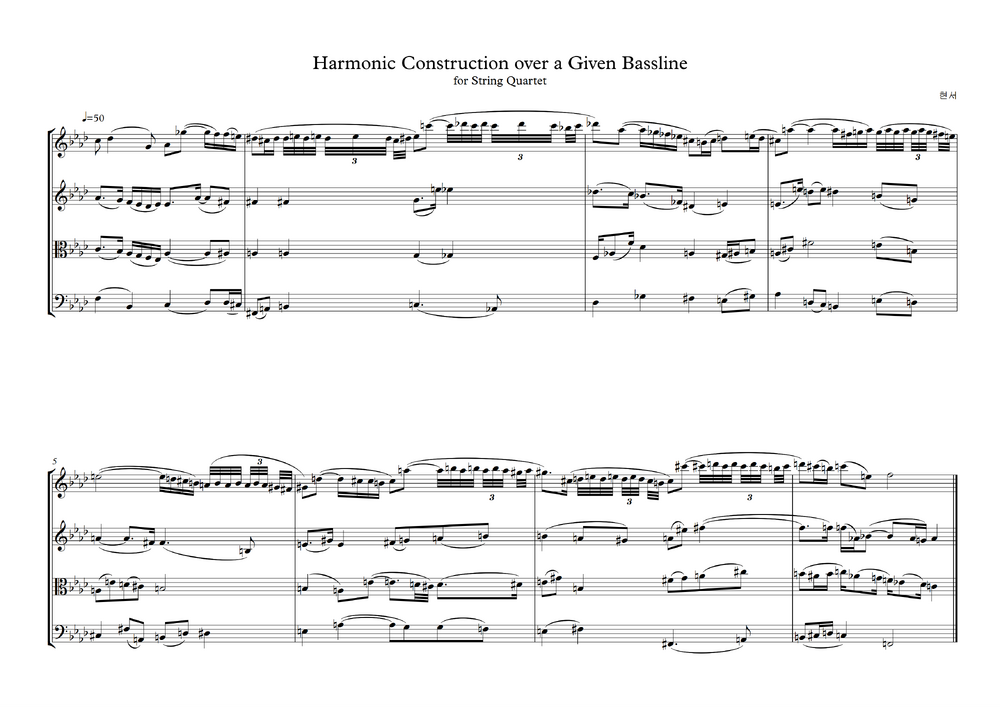
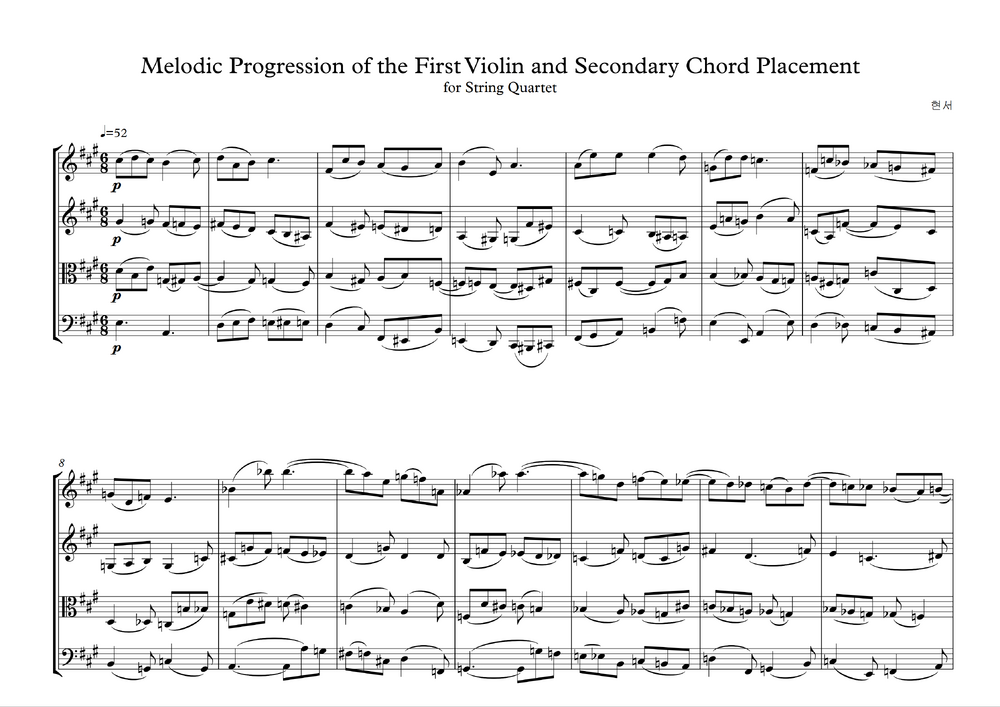
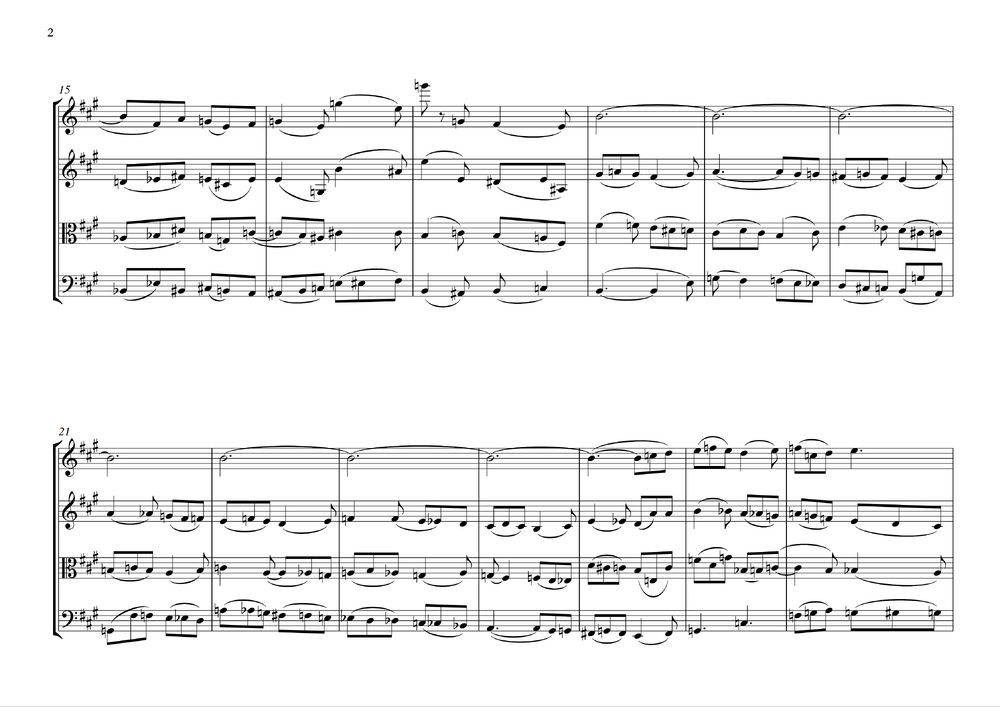
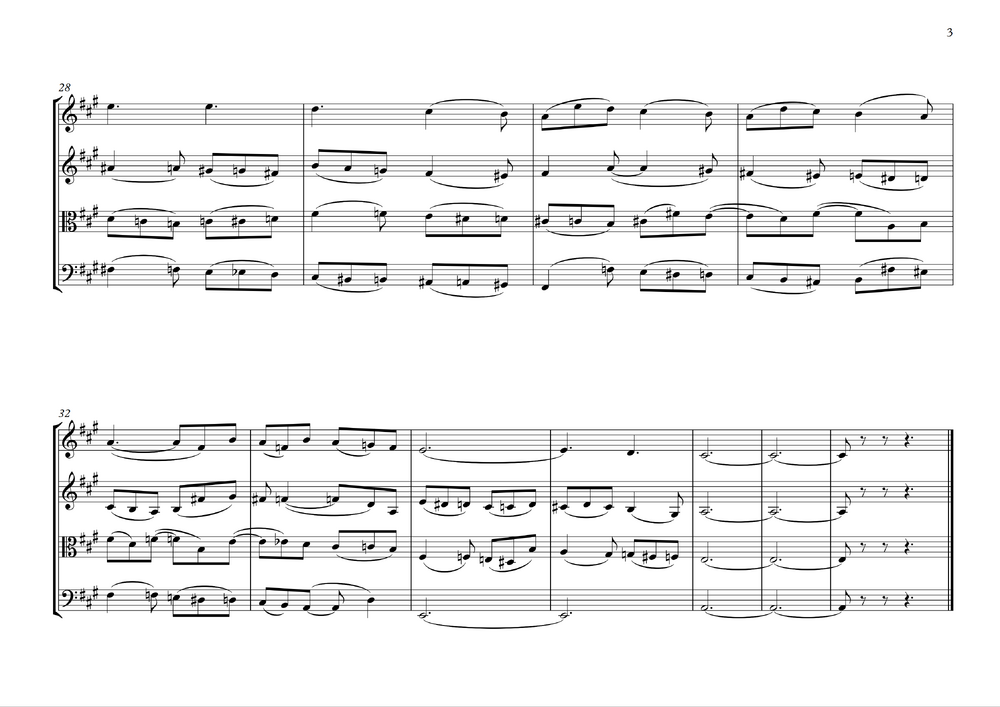
Harmonic_Training_Harmonic Construction over a Given Bassline.mp3Harmonic_Training_Melodic Progression of the First Violin and Secondary Chord Placement.mp3 화성학1(잘못배낌).mp3
.thumb.png.6174c8357d9893a75e89e845593ca7a5.png)
-
Here's another musical quote from "The Occult" by Colin Wilson: Here's hoping that you have glimpses of other times and places that may help you in your life! Thanks for reading!
Last week
-
Hello @Fruit hunter ! I wish, I could press both buttons, „Thank you“ and „Ha, ha“, but since that is not possible, I did a simple „Like“. And even though the “fruit hunter award of excellence” will not really appear in my collection of badges, I’ll collect it in my mind! Thank you, very much. It’s nice to hear, that you don’t find the use of the muted trumpet as „too annoying“. And yes, this time, I tried to blend the instruments together (as it is done in a full orchestra) as far as possible and not only to simple distribute the four-part voice leading of the original piano work to the instruments. Unfortunately, I have no practical experience how fast a cellist can change from bowing to pizzicato. I hope that it is possible in the relatively slow tempo. I remember discussions on that topic on even faster tempo, where finally came around that nowadays string players would be able to do so, even in relative fast tempo. And, by the way – ha, ha – I remember that you’ve earned similar concerns with your mallet changes in your „On Pastel Skies“ submission ... Yes, always after finishing one of my piano pieces, I try out the fingering (and test the playability). Perhaps my fingering instructions are somewhat exaggerated, but it is not as easy even in passages one might find simple at the first glance, so that I often struggle which fingering marks are redundant and obvious. Another fun was for me to learn about the notation for the Accordion, applying registration hints and the notation for the bass.

-
Hello @Kvothe! Thank you very much for your instant review of my submission. You have mentioned a number of concerns or suggestions with my engraving, which I now have thoroughly checked out, so that I can give some explanations for some of the decisions I made concerning them: Piano and Accordion. When I came around with my unusual instrumentation, I asked myself how to organize the score, especially the ordering and grouping of the instruments. In a „normal“ piano quintet (i.e., for example, a piano and four strings) we would have the strings at the top (in their usual order), grouped together, and at the bottom the piano as a single instrument of the „piano group“. But in my case, the piano is not the prominent or single accompanying instrument, thus I considered my ensemble as an „orchestra“ – while only consisting of five instruments. I Googled somewhat around how to organize such a kind of „orchestra“ (and interestingly, there were various responses, some of which contradicted each other). So I finally decided to use the answer suggesting the following grouping/order: 1. Brass section – Consisting of the Trumpet only. 2. Plucked string section – Consisting of the Guitar only. 3. Percussion/keyboards section – Consisting of the Accordion and the Piano 4. String section – Consisting of the Cello only. That kind of grouping/order finally leads to the impression, that the Trumpet, Guitar and Cello are „sole instruments“ (since each group consists of only one) and the only real section or „family“ are the Accordion and Piano together, so that they share the bar lines (as it is usually done for instrument families in an orchestral score). However, I must admit, it might look a bit weird at the first glance. Stem direction. There are different rules applied determining the stem direction for different instruments/staves: For the homophonic or single-voiced instruments (that are the Trumpet, the Guitar and the Cello), I used „neutral stem direction“ where notes below the middle staff line have upward stems, and notes on or above the middle line have downward stems (which is exact the opposite of that you have supposed). I think, my Lilypond software did it correct, since I did not declare that there is a particular voice for that staves. For the treble and bass staves of the Piano part and the treble staff of the Accordion part, I used „voice stem direction“, since those parts are derived from the original piano composition which has a strict four-part voice leading. Thus, the „pickup“ you mentioned (e.g. the first four notes of the Piano) are in the alto voice which always has the stems down. I must admit that the four-part voice leading is not recognizable everywhere, since lots of the notes of the original piano composition have been removed, since they have been „handed over“ to the other instruments. The bass staff of the Accordion uses the „Stradella Bass“ system where notes below the center of the staff are bass notes and notes above the center of the staff indicate chord buttons (labeled with M, m, 7, or D (or d, or dim) to a signify major, minor, dominant seventh or diminished seventh). Yes, you’re right. There are passages with „unbeamed“ eights and sixteenth notes, especially in the trumpet part for the reason that this is the vocal part where the poem is set to music (with the muted trumpet as a substitute for the human voice). Other occasions of „unbeamed“ notes have been introduced intentionally, as the result of the texture of the second fugue subject and its counterpoint – whereas that is, admittedly, not easy to recognize in the orchestrated version. Dynamic markings. Perhaps, I somewhat exaggerated with the dynamic markings. But I’ve listened to many orchestation/scoring tutorials where hairpins without a starting and ending dynamic were considered as an error. Thus, all my hairpins lead from a distinct dynamic to another one. And, yes, „mezzo“ (either mp or even mf) isn’t always welcome.
-
-
@Seni-G Hello Thank you for listening and commenting. Yes, I also feel at home with this sort of more or less post-tonal music. I very much agree with what you say about using the orchestra’s timbres sparingly. There are a few reasons for this: it’s an exercise I completed in just two days; it’s so short that, well, this is how it turned out. And the priority was to work on the set of four notes.
-
@Luis Hernández I think this is lovely! Though it’s modern, it still sounds tonal and classical-influenced to my ear. That’s my favorite kind of sound, something that feels new and classic all at once. I like that the music has a distinct shape and direction, despite the modern sound. The orchestration is lush and beautiful. It feels like you’re having fun, which makes it fun for the listener. My only suggestion would be this: if you use the entire color palette on the front end, you don’t save very many arrows in your quiver for later. You might try limiting the number of colors used at the start, so that later on you can introduce more in order to keep it fresh and exciting. Sometimes many colors used one after another can start out interesting, but quickly becomes a bit flat since they lose their uniqueness, and the thrill of introducing a new color wears off too quickly when it’s surrounded by other interesting colors. In a way, it’s about restraint in how you deploy your instruments, so that each important color change has a chance to stand out and shine. I’m excited to hear more of your orchestral work!
-
Great thread Lithl. Lots of good stuff here. By the way...how do you pronounce your name? Is it...lith-el? Like "little" but with a lisp? At least that's how I say in my head when I see your name pop up. Please correct me if I am wrong! I will share one guy....this guy is incredible. I drew inspiration from him in writing my own music.


.thumb.png.8b5b433a341551e913a34392660bc95b.png)








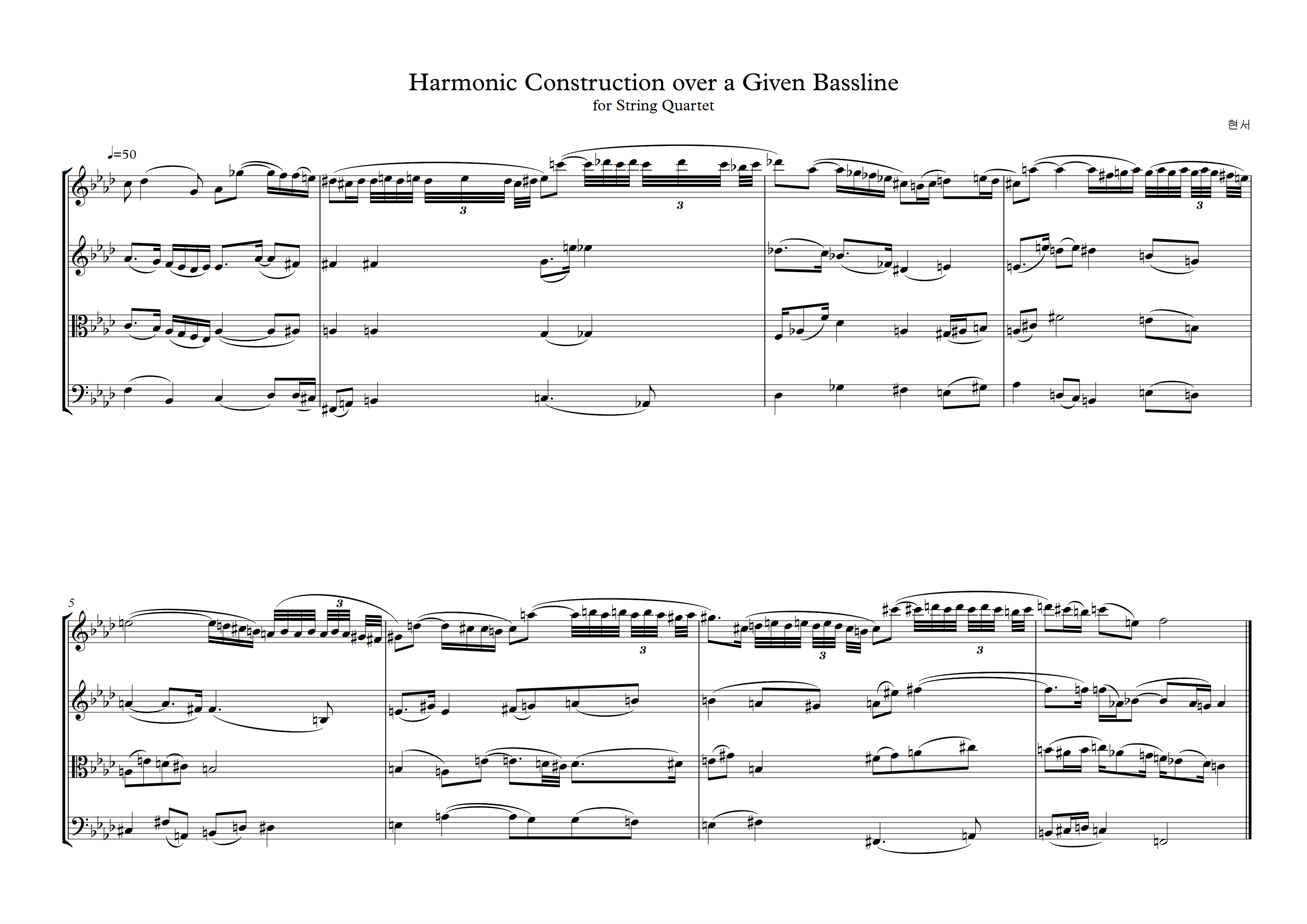
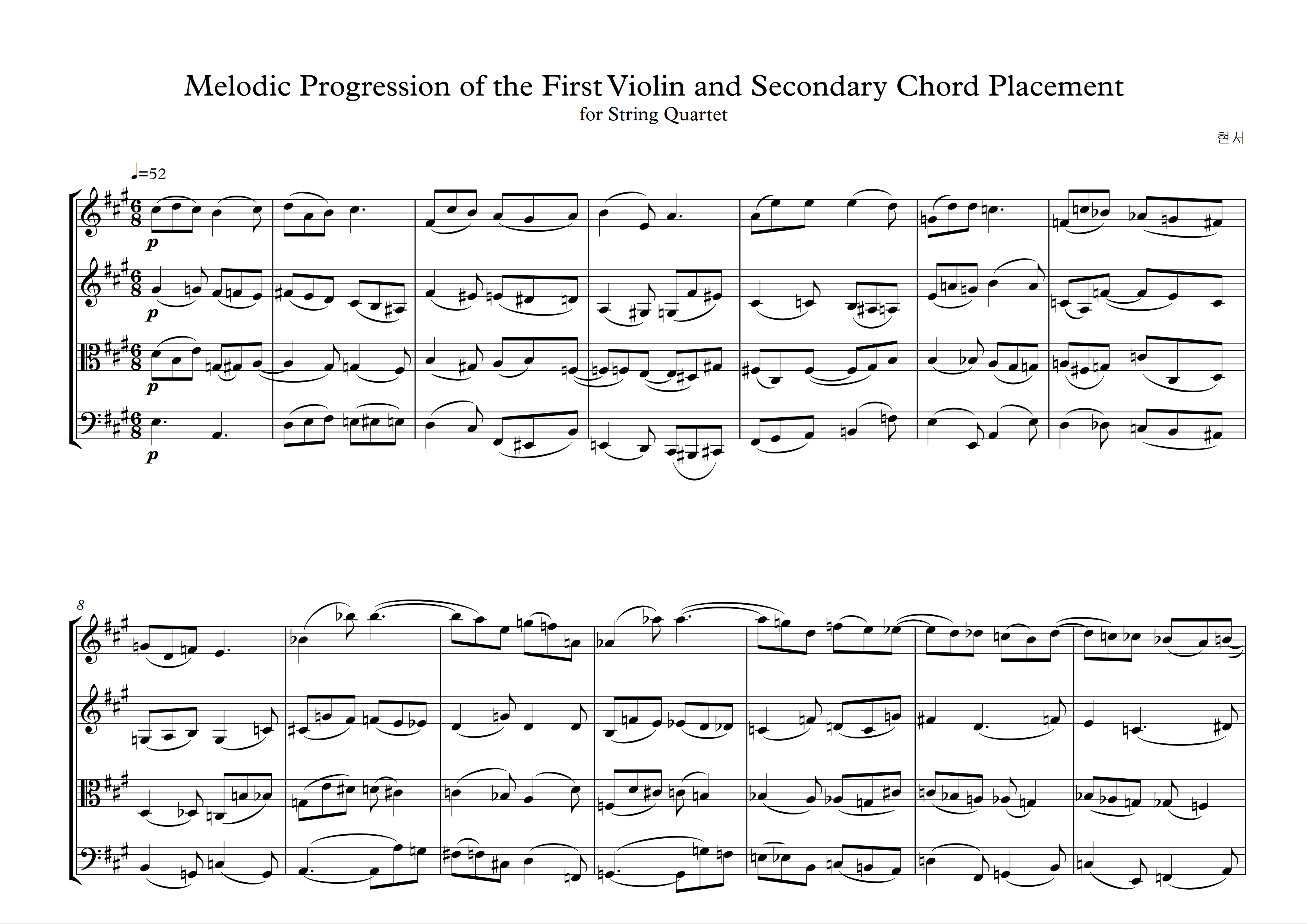
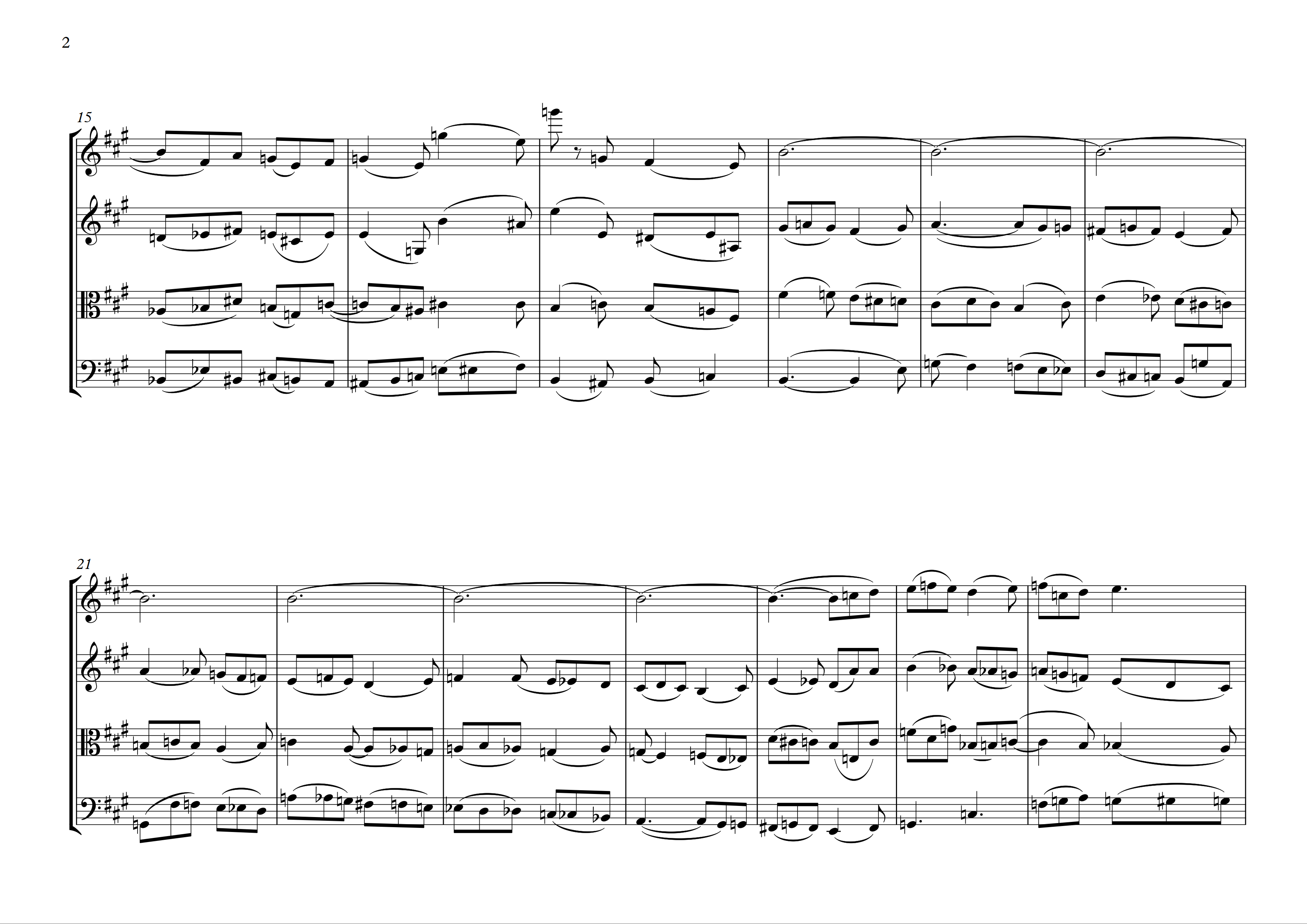
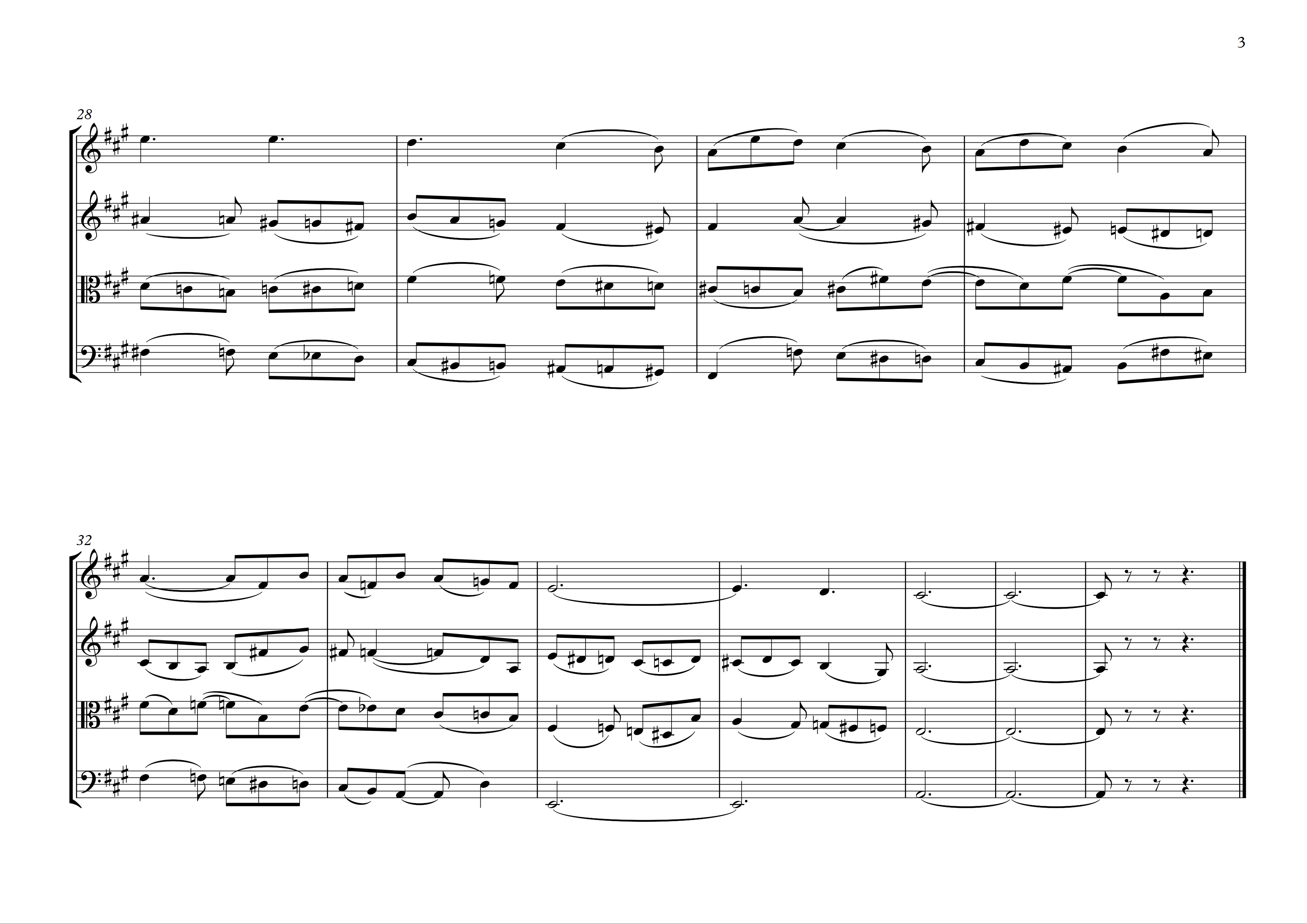
.png.ae0349f5bfcc62450005fbec7f28f14e.png)